Discover Animal Parks, Zoos & Wildlife Enclosures in Kempten
Animal Events 2026: Zoos, Animal Parks & Wildlife Enclosures around Kempten (upcoming dates only)
If you are planning animal experiences in the Kempten area in 2026, you will find less of a "large zoo program," but many smaller, nature-oriented facilities and weather-independent houses. This page compiles exclusively future events and seasonal highlights (without retrospectives) and shows how you can plan them in a family-friendly, animal welfare-conscious, and realistic way.
Important: Specific times, tickets, and last-minute changes are determined by the operators. Always check the official channels of the respective facility before you travel.
Seasonal Highlights 2026: Outdoors, Indoors, "Gentle"
1) Outdoors (Wildlife Enclosures, Alpine Wildlife Park, Petting Areas): Spring to Autumn 2026
For 2026, outdoor facilities mainly offer holiday periods, holiday weeks and weekends as the typical slots for special programs. Frequently offered during these times are:
- short animal keeper talks or commented feedings (if the facility offers this),
- family rallies and nature discovery trails,
- small information stands about native species, habitats, and respectful behavior in the area.
If you value peace and quiet, plan for off-peak times in 2026 (early in the day or shortly before closing) and avoid busy holiday afternoons.
2) Winter 2026: Nature Observation & Education (without "Show" Character)
In the winter half of 2026, nature education formats are often the focus in mountain-adjacent wildlife parks and enclosures: tracking, habitat explanations, information about rest and retreat zones. If a facility offers guided winter formats, these are usually booked up early—a timely reservation is worthwhile.
For winter dates in 2026, always plan extra time (weather, paths, clothing), and strictly follow local rules regarding feeding, leash requirements, and restricted areas.
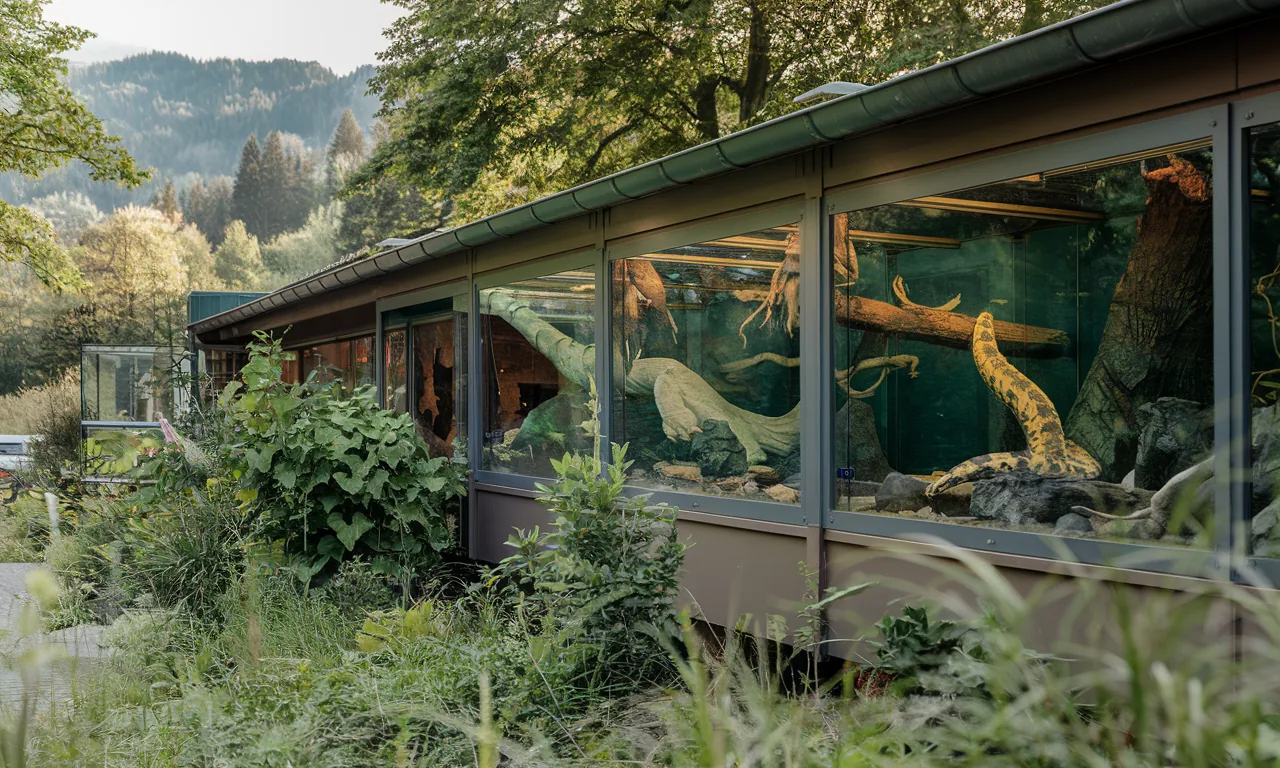
3) Indoor 2026 (Reptile & Butterfly Houses): Can Be Planned Year-Round
For 2026, indoor facilities are especially attractive if you want planning security. Typical future program points that indoor providers often announce are:
- Themed tours (e.g. "Habitats," "Species Protection," or "Animals of the Night"—depending on the house),
- educational formats for school classes (with advance registration),
- activity days during holiday weeks with additional short lectures.
For families, 2026 is especially helpful: indoor destinations also work when outdoor excursions are unsuitable due to rain, heat, or thunderstorms.
4) "Gentle" Animal Experiences 2026 (e.g. Alpaca Walks): Only with Reputable Providers
Guided animal experiences like alpaca walks will also be in demand in 2026. When booking, make sure the offer clearly communicates:
- small group size,
- rest breaks and animal-friendly pace,
- clear rules (distance, no pushing, no unsolicited touching),
- transparency about duration, route, and requirements (children's age, fitness, weather).
This way, the event in 2026 will be a manageable, low-stress experience for both people and animals.
Event Formats 2026: What to Expect On Site
If you are looking for "events" in 2026, these categories will help you choose (and set your expectations):
Guided Tours & Short Lectures
Many facilities are planning recurring tours in 2026 (often on weekends or during holiday periods). They are suitable if you want more context: husbandry, habitats, protection status, animal behavior, and sensible visitor rules.
Family Days & Holiday Programs
For families, 2026 is especially attractive: small rallies, stamp activities, quiz trails, or stations where children can "see, touch, learn"—without stressing the animals.
Nature Education in Wildlife Enclosures (Quiet, Respectful, Up Close)
In wildlife enclosures, observation and explanation are often the focus in 2026: why wild animals need retreat spaces, how seasons change behavior, and why "well-intentioned" feeding can be problematic if not expressly allowed.
Bad Weather Specials
Indoor offers can create additional slots at short notice in 2026 (e.g. extra tours on rainy days). For you as a visitor, this means it's worth checking the daily schedule—preferably on the day of your visit.
Animal Welfare & Safety at Events: How to Prepare Properly
No matter which facility you visit in 2026: animal welfare rules are not an "extra," but part of a responsible event.
- Feeding only if expressly allowed: If food is offered, use only approved food and follow quantity and distance rules.
- Touching is not standard: Even in petting areas: only in designated zones, slowly, quietly, without chasing.
- Distance & noise level: Especially with wild animals, calm behavior in 2026 is the most important "contribution" to good observations.
- Dogs: Find out in advance about leash requirements and access rules. In sensitive areas, dogs are often excluded.
- Photo/video: Avoid flash and hectic movements; respect restricted zones and notices about retreat areas.
Practical Planning: Arrival, Weather, Duration, Target Groups
Realistically Estimate Duration (for 2026)
- Short visit (1–2 hours): compact wildlife enclosures, short circular trails, indoor houses.
- Half-day trip (3–5 hours): petting and family facilities including play area, plus travel and breaks.
- Day trip: combination of animal destination and additional activity (lake, city stroll, easy hike)—especially useful on long weekends in 2026.
Weather Strategy 2026: Plan A and Plan B
Prepare a simple two-option plan for 2026:
- Plan A (dry): outdoor facility/wildlife enclosure + short nature trail.
- Plan B (rain/heat): indoor destination with guided tour or themed program.
This way, the excursion remains an "event" even if the weather changes, without you having to improvise at short notice.
Which Event Type Suits Whom (2026)?
- Families with small children: quiet family days, short tours, petting areas with clear rules.
- School classes & groups: bookable educational programs in advance, indoor tours, species protection theme days.
- Nature fans: wildlife enclosure formats with an observation focus, seasonal nature tours.
- Bad weather visitors: reptile and butterfly houses with plannable time slots.
Sources & Further Standards
For the classification of animal welfare, visitor rules, and reputable educational formats, these basic, reputable references are helpful:
- Animal Welfare Act (TierSchG) — Laws on the Internet — legal framework for dealing with animals (accessed 2026-04-08)
- EUR-Lex (EU Law Portal) — EU legal foundations, including animal transport and animal health as context for animal husbandry/protection (accessed 2026-04-08)
- German Animal Welfare Association — practical guidance on animal-friendly behavior and animal welfare principles (accessed 2026-04-08)
- Association of Zoological Gardens (VdZ) — classification of educational and species protection tasks of zoological institutions (accessed 2026-04-08)