Social Projects in Kempten: Neighborhoods, Participation, Engagement
Social Projects & Initiatives That Can Move Kempten in the Coming Months
Which projects and participation formats are coming up next as Kempten seeks to further expand social cohesion, integration, digital participation, and everyday support? This overview bundles typical building blocks, upcoming opportunities to get involved, and reliable points of contact so you can find and help shape planned offerings early on.
How to Reliably Find Current Dates
To keep this article focused exclusively on the future, it does not mention fixed event dates or project durations that may change at short notice. For concrete, upcoming dates and registration links, these sources are typically the most reliable in Kempten:
- Official pages of the City of Kempten (Allgäu) for announcements, participation formats, and event overviews.
- Neighborhood and district communication (e.g., district offices, notice boards, newsletters) if participation rounds or neighborhood actions are planned in your area.
- Engagement and integration networks (associations, welfare organizations, volunteer coordination) for upcoming trainings, sponsorship programs, or meetings.
- Smart City and digital offerings (future labs, makerspace formats, educational cooperations) for upcoming hands-on workshops.
If you are planning a project yourself: Many initiatives quickly gain supporters when location, target group, accessibility (e.g., step-free, easy language), and contact options are clearly communicated early on.
Neighborhoods & Community: What Will Be Important Next
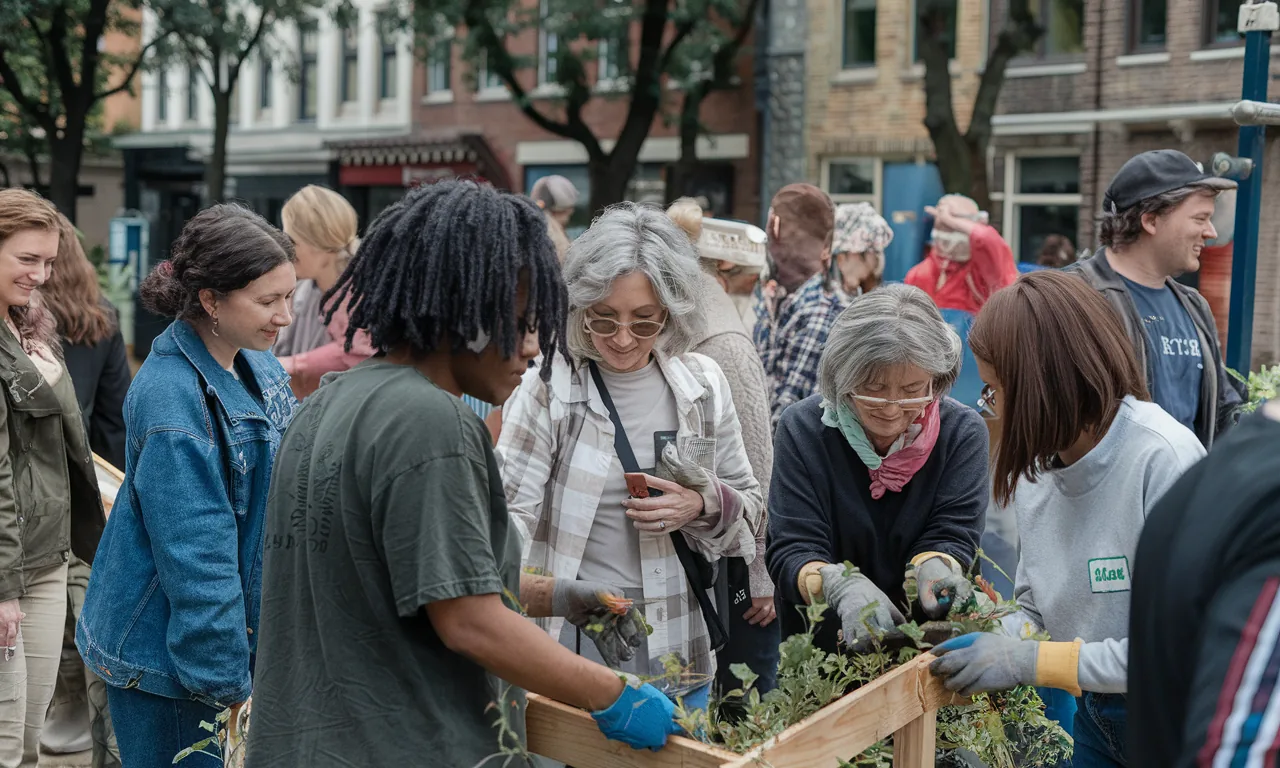
In the coming months, social urban development in Kempten will be especially noticeable where people come together with low barriers and decisions become transparent. For future neighborhood work, five building blocks have proven to be crucial:
- Contact points in the neighborhood: Regular office hours where concerns are collected and referred to the appropriate places.
- Open meeting places: Spaces for neighborhood cafés, parent-child meetings, study groups, or intergenerational offerings.
- Participation with real feedback loops: Formats where feedback is visibly documented and next steps are announced transparently.
- Living environment & safety: Measures that improve paths, squares, playgrounds, and green spaces so that more people (even in the evenings) spend time there.
- Everyday-friendly offerings: Short formats (60–90 minutes) that work without major hurdles (no club membership required, understandable information, simple registration).
How You Can Position Yourself for Upcoming Projects Now
If you want to help shape things soon, you can sign up early for distribution lists (newsletters, notice boards, local groups) and offer a concrete micro-topic, such as: “I organize a neighborhood meeting,” “I help with childcare during a citizens' dialogue,” or “I accompany newcomers in the neighborhood.”
Volunteering & Integration: Getting Started in the Coming Weeks
Many people want to help but don't know where to start. In cities like Kempten, facilitated entry points (instead of “just show up”) have proven effective for the near future: short orientation talks, basic training, and clear matching between needs and time budgets.
What Makes Future Entry Offers Especially Effective
- Concrete roles: e.g., language tandems, accompanying people to appointments, helping with homework, co-organizing social afternoons.
- Plannable time slots: Assignments that are compatible with shift work, care work, or studies.
- Support & supervision: Exchange formats that provide professional relief for volunteers and address conflicts early.
- Low-barrier communication: Information in plain language, multilingual notes, clear contact channels.
In the coming months, it is especially worthwhile to look out for sponsorship and tandem formats: They quickly build trust, are easily scalable, and make integration tangible in everyday life—while shopping, doing sports, learning, or cooking together.
Against Loneliness: Movement, Encounters, Participation
Loneliness is a topic that will continue to gain attention in many communities in the coming months—also because it can affect all age groups. For Kempten, formats that combine movement with encounter and consider different life situations (e.g., immigrants, seniors, youth, single parents, caregivers) will be particularly useful in the future.
Future Formats That Have Proven Effective
- Open movement groups (without membership): Walking meetups, light fitness, park or indoor activities with a low entry level.
- Meeting points with a purpose: Repair cafés, cooking groups, game afternoons, creative workshops—encounters “happen” almost incidentally.
- Hands-on formats in the neighborhood: Idea rounds, small neighborhood budgets, actions where residents themselves set the topics.
- Digital bridges: Short learning offers on smartphones, messengers, online appointment booking, or video calls so that contacts remain stable between meetings.
How to Recognize Reliable Upcoming Offers
Serious projects state in advance the target group, accessibility (cost, registration, location), contact person, and a clear process. Especially with loneliness topics, it is also important that participants are not “problematicized” but addressed as active co-creators.
Digital Participation & Smart City: Get Involved Instead of Just Watching
Digital urban development will have a social impact in the near future if it does not stop at technology but specifically increases skills, transparency, and participation. In the coming months, these formats will be particularly relevant in smart city contexts:
- Future labs & open office hours: Places where projects are explained and citizens can ask questions.
- Makerspace and educational offers for children and youth: Programming, tinkering, media literacy—always linked to everyday benefits.
- Presenting data transparency in an understandable way: When sensors or digital models are used, it should be clear what data is collected and what is not (e.g., no personal surveillance).
- Participation via digital channels: Surveys, map feedback, online idea platforms—as a supplement, not a replacement, for on-site formats.
If you want to participate soon, pay attention to whether a format welcomes beginners (explains terms, devices available on site if necessary, help with getting started) and whether results are publicly documented. This is a strong quality feature for trust and effectiveness.
Strengthening Home Care: Support That Will Become More Important in 2026
For many families, it will be crucial in the coming months and years how well everyday support can be organized—especially when care takes place at home. Future relief usually arises from a combination of information, qualification, and low-threshold assistance.
Which Offers Can Provide Particular Relief in the Near Future
- Compact qualifications for everyday support (communication, structure in daily life, activation, dealing with stress).
- Networking and exchange meetings for family caregivers so that help can be found more quickly and overload is recognized earlier.
- Coordination in the neighborhood: When distances are short, reliable routines develop (shopping help, escort services, visiting services).
Important: Care and support offers should clearly communicate what they can provide (e.g., everyday support) and what belongs in the hands of professional caregivers. This creates security for everyone involved.
Guidelines for Living Together: How Goals Become Concrete Dates
So that social projects do not remain isolated actions, they need a reliable framework. In the coming months, four guiding principles will be particularly relevant in Kempten (and comparable cities) because they can be directly translated into new dates, calls for proposals, and participation rounds:
- Safety and respect in everyday life: Conflict prevention, clear rules in public spaces, good moderation in participation formats.
- Strengthening volunteering: Qualification, recognition, good coordination, and relief instead of overload.
- Encounters in all districts: Places and occasions that regularly bring people together—not just in the city center.
- Integration and intercultural exchange: Offers that are developed not “for” but “with” different communities.
If you want to become active yourself soon, a simple three-step approach often works best: Who do we want to reach? (target group), what should be better after the meeting? (goal), how will it not remain just one event? (next step). Initiatives that answer these questions are more easily supported—and remain reliable for participants.