
Kempten (Allgäu)
Königstraße 18, 87435 Kempten (Allgäu), Deutschland
City Park Kempten | Events & Parking
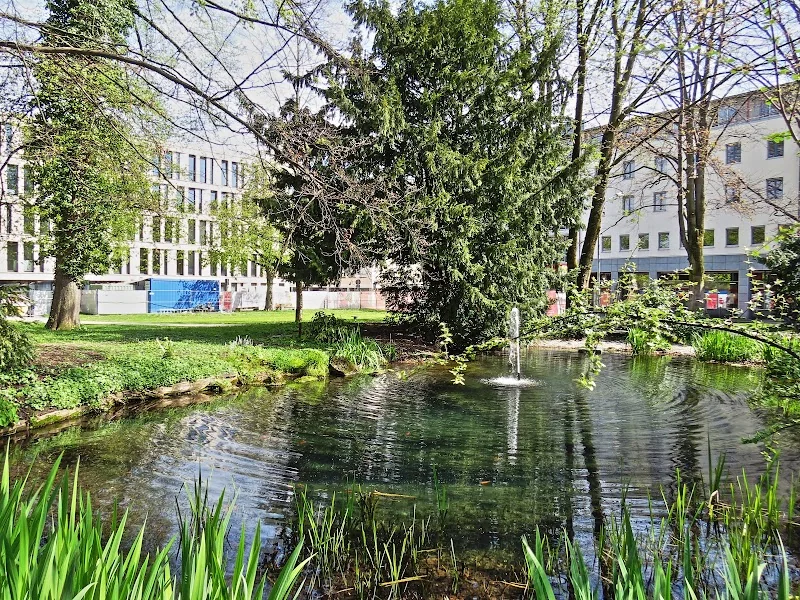
The City Park Kempten is one of those places where you immediately understand how closely urban life, history, and recreation are intertwined in the Allgäu metropolis. Located directly at the Central Transfer Point ZUM, the park connects the former imperial city and the abbey city, placing it not on the edge but right in the daily path of people. This location makes the park so interesting for locals, guests, and organizers: Anyone walking through Kempten almost automatically passes by the City Park, and those who linger here experience a green space that not only looks beautiful but has been an integral part of urban everyday life for decades. ([kempten-tourismus.de](https://www.kempten-tourismus.de/parks?utm_source=openai))
For many search queries related to City Park, events, open-air, access, or parking, this place is relevant because multiple user signals converge here. The park serves as a recreational area, meeting point, festival space, and orientation point all at once. It offers children play and climbing opportunities, adults short breaks in the greenery, and visitors the chance to experience the city center in a relaxed way. To understand the City Park Kempten, one should not only see it as a park but as an urban hub where leisure, culture, and mobility intersect. ([kempten-tourismus.de](https://www.kempten-tourismus.de/parks?utm_source=openai))
Especially because many users search for terms like City Park, events, parking, or access, it is worthwhile to take a closer look at the facility. The City Park is not only interesting for tourist photos but also for practical everyday use: It is located where buses, pedestrians, and visitors from the center converge, and where a short stay in the greenery can easily be combined with shopping, culture, or an appointment. For Kempten, this is a real advantage, as the park not only creates atmosphere but also utility. ([kempten-tourismus.de](https://www.kempten-tourismus.de/parks?utm_source=openai))
What events shape the City Park Kempten?
The most important event brand of the City Park is the Allgäu Festival Week. Since 1949, it has taken place on the grounds of the City Park, making the area one of the most well-known meeting points in the region every August. According to Kempten Tourism, the park transforms into one of the ten largest regional consumer fairs in Germany, attracting around 200,000 guests. These numbers show that the City Park is not just a pretty green space but a powerful stage for a major event that combines trade fair, encounters, music, culinary delights, and leisure. ([kempten-tourismus.de](https://www.kempten-tourismus.de/allgaeuer-festwoche?utm_source=openai))
Particularly exciting is how openly the park is integrated into the festival activities. Celebrations can take place outdoors around the City Park, there is a large stage with a varied program from sports performances to theater to live music, music resonates in the pavilion in a relaxed atmosphere, and along the gourmet mile, a wide culinary offer emerges. Additionally, formats like the Farmer's Parlor in the City Park or the Zum Parkwirt shape the character between festival tent, beer garden, and regional enjoyment culture. This makes it clear why many visitors specifically search for City Park Open Air or programs: The park is not just a backdrop during the festival week but a participant. ([kempten-tourismus.de](https://www.kempten-tourismus.de/allgaeuer-festwoche?utm_source=openai))
Even beyond the Allgäu Festival Week, the City Park is an important part of urban event life. During the Kempten City Festival, the daily program uses the park as a presentation area for numerous associations, while the city center transforms into a large stage with open-air concerts, participatory activities, and a colorful food and drink offer over a weekend. The City Park exemplifies those areas where Kempten does not hide its events behind walls but integrates them visibly and openly into the urban space. This openness makes the park so attractive for visitors, as culture, encounters, and movement can be naturally combined. ([kempten-tourismus.de](https://www.kempten-tourismus.de/stadtfest?utm_source=openai))
Those who visit the City Park during festival times also experience a special mix of tradition and present. On one side stands the long history of the festival week, on the other side a modern, very lively city center feeling. This makes the facility a place where not only individual concerts or program points are important but the entire experience of the city center. For people searching for events in Kempten, the City Park is therefore more than just a name on the program: It is a recurring fixture in the city's calendar and a place where regional identity and public space meet naturally. ([kempten-tourismus.de](https://www.kempten-tourismus.de/allgaeuer-festwoche?utm_source=openai))
How do you reach the City Park Kempten and where can you park?
Anyone wishing to visit the City Park Kempten benefits from its central location in Kempten. Access to the city is possible via the A7 as well as the federal roads B12 and B19, and from there, the way quickly leads into the city center. The tourism site also points out that Kempten is accessible by train, car, airplane, bus, and even by bike. For visitors to the City Park, it is especially important that the city center can be reached from the main train station in about 30 minutes on foot, and the ZUM as a hub is located directly next to the park. ([kempten-tourismus.de](https://www.kempten-tourismus.de/anreise?utm_source=openai))
In Kempten, a parking guidance system helps find free parking spaces and parking garages. According to tourism, the central parking spaces are usually subject to fees; depending on the area, payment can be made with coins, credit card, or via app. There are also centrally located options for tour buses, and charging stations for electric mobility are available at various locations. This is practical for visitors who want to combine a visit to the City Park with a city stroll, event, or meal in the city center. So, if you search for parking Kempten city center or access, you will find a well-organized traffic situation around the City Park that makes the visit uncomplicated despite its central location. ([kempten-tourismus.de](https://www.kempten-tourismus.de/parken?utm_source=openai))
The good accessibility is a real plus for everyday use. The City Park is not isolated but located in an area where paths intersect, and switching between different modes of transport is easy. This makes it suitable as a meeting point for groups, families, and visitors who want to get to the city center without much effort. Those arriving by bus or train can take advantage of the proximity to the ZUM; those traveling by car will find a system of parking spaces, parking garages, and parking guidance systems in Kempten; and those who prefer to explore the city on foot will benefit from the compact city center structure. Thus, the City Park becomes a place that does not require long searching but can be reached naturally. ([kempten-tourismus.de](https://www.kempten-tourismus.de/parken?utm_source=openai))
Even in conjunction with events, the access is well thought out. Especially during large festivals and heavily frequented days, it is important that visitors can quickly get from the parking lot or train station to their destination. The City Park meets this requirement through its central location, its proximity to the ZUM hub, and its good integration into the inner-city traffic structure. This is a key reason why the area is attractive for both celebrants and people with short distances or fixed appointments. Those visiting Kempten do not have to choose between accessibility and quality of stay here but can have both at the same time. ([kempten-tourismus.de](https://www.kempten-tourismus.de/parken?utm_source=openai))
Why is the City Park so centrally located in Kempten?
The location of the City Park is one of the reasons why it is perceived so strongly. It is located directly in the city center and right at the ZUM, where paths intersect, people transfer, and the city densifies in everyday life. At this point, the park unfolds its function as a green link between the historical city districts. Kempten Tourism describes it as a place in the heart of the Allgäu metropolis that continues to connect the former imperial city and the abbey city. This historical tension makes the facility unique: it is not only beautifully designed but also visibly carries urban context outward. ([kempten-tourismus.de](https://www.kempten-tourismus.de/parks?utm_source=openai))
For visitors, this means a pleasant mix of orientation and stay. Those exploring Kempten on foot will find in the City Park a point where paths converge, breaks can be taken, and the view of the city is opened up. Especially in densely built inner-city areas, such green islands are valuable because they create short moments of relaxation without losing contact with urban life. The City Park is therefore ideal for all who enjoy the atmosphere of the city center but do not want to remain permanently in the noise and pace. The facility conveys a feeling of openness and tranquility without isolating itself from the rest of the urban space. ([kempten-tourismus.de](https://www.kempten-tourismus.de/parks?utm_source=openai))
The location is also significant for the perception of the city. A park in this position always has a double effect: as a place of relaxation and as part of the cityscape. That is why the City Park is so attractive for photos, walks, and even for short stays. It is located in close proximity to central paths and still offers enough distance to absorb the surroundings in peace. This combination of proximity and relief is particularly valuable in a city center because it turns a stopover into a small experience. Kempten clearly shows here how strongly good urban planning can shape the character of a district. ([kempten-tourismus.de](https://www.kempten-tourismus.de/parks?utm_source=openai))
The central location is also crucial for the logic of events. Where the park is located in the middle of the city, festivals, daily programs, and open-air offerings can be much more easily integrated into urban everyday life. Visitors do not have to take long journeys; access and stay remain manageable, and the city benefits from an area that is simultaneously green, open, and well-connected. The City Park Kempten is therefore not only geographically central but also functional: it is one of the places where Kempten's city center practically and atmospherically comes together. ([kempten-tourismus.de](https://www.kempten-tourismus.de/parks?utm_source=openai))
What makes the City Park attractive for families and walkers?
One of the most striking elements of the City Park is the octagonal music pavilion. According to Kempten Tourism, it is the eye-catcher of the facility and reminds of the time when music bands played their concerts there on Sundays. This tradition explains why the park still has a special sound character today: it is not just a green space but a place with cultural memory. Those sitting here experience an environment that does not separate history and present but allows them to coexist. ([kempten-tourismus.de](https://www.kempten-tourismus.de/parks?utm_source=openai))
For families, the play and climbing equipment as well as the water feature from which alternating jets of water rise are particularly attractive. Especially on warm days, the City Park becomes a place where children can be active while adults find a break in the greenery. This mix of movement, water, shade, and open urban space makes the park interesting for short stays, such as between appointments, shopping, or arrivals. The City Park is therefore suitable for both a quick stop and a longer walk because it combines a central location with child-friendly elements and a relaxed atmosphere. ([kempten-tourismus.de](https://www.kempten-tourismus.de/parks?utm_source=openai))
Walkers benefit from the same combination of function and atmosphere. The park is a place where one does not just arrive but also lingers. The facility creates an environment with its paths, open spaces, and green areas where movement and tranquility do not exclude each other. Those traveling through Kempten can use the City Park as a short passage route or consciously choose it as a destination to take a small break in the city center. This flexibility makes it so attractive: it works for families, older visitors, tourists, and people who simply want to step out of urban everyday life for a few minutes. ([kempten-tourismus.de](https://www.kempten-tourismus.de/parks?utm_source=openai))
The visual quality of the park also contributes to its attractiveness. The music pavilion forms a clear focal point, the water feature brings movement into the facility, and the play areas make it clear that the City Park is not only designed to be representative but also practical for everyday use. Those traveling with children appreciate this mix of quality of stay and usability. The park thus shows that urban greenery does not only have to be beautiful but can also be practical. This connection is one of the reasons why the City Park Kempten works well for both visitors and locals alike. ([kempten-tourismus.de](https://www.kempten-tourismus.de/parks?utm_source=openai))
What history and tradition lie behind the City Park?
The City Park Kempten was built in the 1890s. Thus, it belongs to the established inner-city facilities that shape the character of a city over generations. Even the historical facility shows that Kempten recognized early on how important public green spaces are in a growing city center. The park served not only for a view into the greenery but also as a place for encounters, movement, and representation. To this day, this fundamental idea is felt because the park does not appear isolated but remains closely linked to the surrounding urban life. ([kempten-tourismus.de](https://www.kempten-tourismus.de/parks?utm_source=openai))
The long history makes the City Park particularly interesting for visitors who are looking for not only current events but also the historical context. It is part of Kempten's development from a dual city to the present Allgäu metropolis. This transformation is still recognizable in the facility: on one side, the historical connection of the city halves, on the other side, the modern use for events, leisure, and transit traffic. Therefore, those visiting the City Park not only receive a beautiful green area but also a piece of urban narrative that has evolved in everyday life. ([kempten-tourismus.de](https://www.kempten-tourismus.de/stadtgeschichte?utm_source=openai))
Particularly valuable is the fact that the park has not lost significance over the decades. Instead, it has been repeatedly integrated into the urban context and remained a place where people can meet. This is especially important for a city center that wants to change while preserving its identity. The City Park is therefore not just a historical relic but a vibrant part of urban development. Its history shows how public spaces can remain relevant over a long time if they are functional, open, and well-located. ([kempten-tourismus.de](https://www.kempten-tourismus.de/parks?utm_source=openai))
The connection to the music pavilion and the festival week also underscores this tradition. The park has never been just a place to pass through but always a place for communal use. Sunday concerts, later festival forms, and today's city events build on the same fundamental idea: people should enjoy staying in the center of the city. That is why the City Park still feels remarkably current today. Its history is not complete but continues in every event, every walk, and every short break. ([kempten-tourismus.de](https://www.kempten-tourismus.de/en/parks?utm_source=openai))
What does the redesign bring for today's urban life?
After the redesign, the City Park is expressly described by Kempten Tourism as a place to feel good. This is more than a friendly slogan, as the facility now simultaneously takes on different functions: it is a space for staying, an event venue, a pedestrian node, and a green pause in the middle of the city. In this combination lies its great value for today's Kempten. Those using the park experience how a city center can feel when it consists not only of buildings, traffic, and commerce but also of open spaces that facilitate arrival and extend the stay. ([kempten-tourismus.de](https://www.kempten-tourismus.de/parks?utm_source=openai))
In practice, this means: The City Park is a place that can be considered for many occasions. It fits family outings, city strolls, event planning, and a small stop on a journey through the Allgäu. At the same time, it encapsulates Kempten's identity because it visibly makes the connection between tradition, mobility, and urban greenery. That is why it also works so well in search queries that ask about City Park, events, open air, parking, or access: The City Park Kempten provides a real answer to all these questions, arising equally from location, history, and use. ([kempten-tourismus.de](https://www.kempten-tourismus.de/parks?utm_source=openai))
The redesign has also contributed to the park being understood again as a modern focal point. It is not just a place of remembrance but a space that is currently needed and functions in everyday life. This is precisely what distinguishes good city parks from mere leftover spaces: they are not only preserved but consciously translated into the present. In Kempten, this is very successful in the City Park because historical significance, location quality, and diversity of use come together. Thus, the facility remains attractive for visitors, usable for events, and valuable for the city itself. ([kempten-tourismus.de](https://www.kempten-tourismus.de/parks?utm_source=openai))
In the end, the City Park Kempten shows how an urban green space can be simultaneously calm, lively, and economically relevant. It gives the city center air, provides a stage for festivals and markets, and offers visitors a place where they can arrive. This balance ensures that the City Park is not only perceived as a park but as part of urban identity. Those who want to experience Kempten will find here one of the places where the city speaks most clearly to itself. ([kempten-tourismus.de](https://www.kempten-tourismus.de/parks?utm_source=openai))
Sources:
Mehr anzeigenWeniger anzeigen
City Park Kempten | Events & Parking
The City Park Kempten is one of those places where you immediately understand how closely urban life, history, and recreation are intertwined in the Allgäu metropolis. Located directly at the Central Transfer Point ZUM, the park connects the former imperial city and the abbey city, placing it not on the edge but right in the daily path of people. This location makes the park so interesting for locals, guests, and organizers: Anyone walking through Kempten almost automatically passes by the City Park, and those who linger here experience a green space that not only looks beautiful but has been an integral part of urban everyday life for decades. ([kempten-tourismus.de](https://www.kempten-tourismus.de/parks?utm_source=openai))
For many search queries related to City Park, events, open-air, access, or parking, this place is relevant because multiple user signals converge here. The park serves as a recreational area, meeting point, festival space, and orientation point all at once. It offers children play and climbing opportunities, adults short breaks in the greenery, and visitors the chance to experience the city center in a relaxed way. To understand the City Park Kempten, one should not only see it as a park but as an urban hub where leisure, culture, and mobility intersect. ([kempten-tourismus.de](https://www.kempten-tourismus.de/parks?utm_source=openai))
Especially because many users search for terms like City Park, events, parking, or access, it is worthwhile to take a closer look at the facility. The City Park is not only interesting for tourist photos but also for practical everyday use: It is located where buses, pedestrians, and visitors from the center converge, and where a short stay in the greenery can easily be combined with shopping, culture, or an appointment. For Kempten, this is a real advantage, as the park not only creates atmosphere but also utility. ([kempten-tourismus.de](https://www.kempten-tourismus.de/parks?utm_source=openai))
What events shape the City Park Kempten?
The most important event brand of the City Park is the Allgäu Festival Week. Since 1949, it has taken place on the grounds of the City Park, making the area one of the most well-known meeting points in the region every August. According to Kempten Tourism, the park transforms into one of the ten largest regional consumer fairs in Germany, attracting around 200,000 guests. These numbers show that the City Park is not just a pretty green space but a powerful stage for a major event that combines trade fair, encounters, music, culinary delights, and leisure. ([kempten-tourismus.de](https://www.kempten-tourismus.de/allgaeuer-festwoche?utm_source=openai))
Particularly exciting is how openly the park is integrated into the festival activities. Celebrations can take place outdoors around the City Park, there is a large stage with a varied program from sports performances to theater to live music, music resonates in the pavilion in a relaxed atmosphere, and along the gourmet mile, a wide culinary offer emerges. Additionally, formats like the Farmer's Parlor in the City Park or the Zum Parkwirt shape the character between festival tent, beer garden, and regional enjoyment culture. This makes it clear why many visitors specifically search for City Park Open Air or programs: The park is not just a backdrop during the festival week but a participant. ([kempten-tourismus.de](https://www.kempten-tourismus.de/allgaeuer-festwoche?utm_source=openai))
Even beyond the Allgäu Festival Week, the City Park is an important part of urban event life. During the Kempten City Festival, the daily program uses the park as a presentation area for numerous associations, while the city center transforms into a large stage with open-air concerts, participatory activities, and a colorful food and drink offer over a weekend. The City Park exemplifies those areas where Kempten does not hide its events behind walls but integrates them visibly and openly into the urban space. This openness makes the park so attractive for visitors, as culture, encounters, and movement can be naturally combined. ([kempten-tourismus.de](https://www.kempten-tourismus.de/stadtfest?utm_source=openai))
Those who visit the City Park during festival times also experience a special mix of tradition and present. On one side stands the long history of the festival week, on the other side a modern, very lively city center feeling. This makes the facility a place where not only individual concerts or program points are important but the entire experience of the city center. For people searching for events in Kempten, the City Park is therefore more than just a name on the program: It is a recurring fixture in the city's calendar and a place where regional identity and public space meet naturally. ([kempten-tourismus.de](https://www.kempten-tourismus.de/allgaeuer-festwoche?utm_source=openai))
How do you reach the City Park Kempten and where can you park?
Anyone wishing to visit the City Park Kempten benefits from its central location in Kempten. Access to the city is possible via the A7 as well as the federal roads B12 and B19, and from there, the way quickly leads into the city center. The tourism site also points out that Kempten is accessible by train, car, airplane, bus, and even by bike. For visitors to the City Park, it is especially important that the city center can be reached from the main train station in about 30 minutes on foot, and the ZUM as a hub is located directly next to the park. ([kempten-tourismus.de](https://www.kempten-tourismus.de/anreise?utm_source=openai))
In Kempten, a parking guidance system helps find free parking spaces and parking garages. According to tourism, the central parking spaces are usually subject to fees; depending on the area, payment can be made with coins, credit card, or via app. There are also centrally located options for tour buses, and charging stations for electric mobility are available at various locations. This is practical for visitors who want to combine a visit to the City Park with a city stroll, event, or meal in the city center. So, if you search for parking Kempten city center or access, you will find a well-organized traffic situation around the City Park that makes the visit uncomplicated despite its central location. ([kempten-tourismus.de](https://www.kempten-tourismus.de/parken?utm_source=openai))
The good accessibility is a real plus for everyday use. The City Park is not isolated but located in an area where paths intersect, and switching between different modes of transport is easy. This makes it suitable as a meeting point for groups, families, and visitors who want to get to the city center without much effort. Those arriving by bus or train can take advantage of the proximity to the ZUM; those traveling by car will find a system of parking spaces, parking garages, and parking guidance systems in Kempten; and those who prefer to explore the city on foot will benefit from the compact city center structure. Thus, the City Park becomes a place that does not require long searching but can be reached naturally. ([kempten-tourismus.de](https://www.kempten-tourismus.de/parken?utm_source=openai))
Even in conjunction with events, the access is well thought out. Especially during large festivals and heavily frequented days, it is important that visitors can quickly get from the parking lot or train station to their destination. The City Park meets this requirement through its central location, its proximity to the ZUM hub, and its good integration into the inner-city traffic structure. This is a key reason why the area is attractive for both celebrants and people with short distances or fixed appointments. Those visiting Kempten do not have to choose between accessibility and quality of stay here but can have both at the same time. ([kempten-tourismus.de](https://www.kempten-tourismus.de/parken?utm_source=openai))
Why is the City Park so centrally located in Kempten?
The location of the City Park is one of the reasons why it is perceived so strongly. It is located directly in the city center and right at the ZUM, where paths intersect, people transfer, and the city densifies in everyday life. At this point, the park unfolds its function as a green link between the historical city districts. Kempten Tourism describes it as a place in the heart of the Allgäu metropolis that continues to connect the former imperial city and the abbey city. This historical tension makes the facility unique: it is not only beautifully designed but also visibly carries urban context outward. ([kempten-tourismus.de](https://www.kempten-tourismus.de/parks?utm_source=openai))
For visitors, this means a pleasant mix of orientation and stay. Those exploring Kempten on foot will find in the City Park a point where paths converge, breaks can be taken, and the view of the city is opened up. Especially in densely built inner-city areas, such green islands are valuable because they create short moments of relaxation without losing contact with urban life. The City Park is therefore ideal for all who enjoy the atmosphere of the city center but do not want to remain permanently in the noise and pace. The facility conveys a feeling of openness and tranquility without isolating itself from the rest of the urban space. ([kempten-tourismus.de](https://www.kempten-tourismus.de/parks?utm_source=openai))
The location is also significant for the perception of the city. A park in this position always has a double effect: as a place of relaxation and as part of the cityscape. That is why the City Park is so attractive for photos, walks, and even for short stays. It is located in close proximity to central paths and still offers enough distance to absorb the surroundings in peace. This combination of proximity and relief is particularly valuable in a city center because it turns a stopover into a small experience. Kempten clearly shows here how strongly good urban planning can shape the character of a district. ([kempten-tourismus.de](https://www.kempten-tourismus.de/parks?utm_source=openai))
The central location is also crucial for the logic of events. Where the park is located in the middle of the city, festivals, daily programs, and open-air offerings can be much more easily integrated into urban everyday life. Visitors do not have to take long journeys; access and stay remain manageable, and the city benefits from an area that is simultaneously green, open, and well-connected. The City Park Kempten is therefore not only geographically central but also functional: it is one of the places where Kempten's city center practically and atmospherically comes together. ([kempten-tourismus.de](https://www.kempten-tourismus.de/parks?utm_source=openai))
What makes the City Park attractive for families and walkers?
One of the most striking elements of the City Park is the octagonal music pavilion. According to Kempten Tourism, it is the eye-catcher of the facility and reminds of the time when music bands played their concerts there on Sundays. This tradition explains why the park still has a special sound character today: it is not just a green space but a place with cultural memory. Those sitting here experience an environment that does not separate history and present but allows them to coexist. ([kempten-tourismus.de](https://www.kempten-tourismus.de/parks?utm_source=openai))
For families, the play and climbing equipment as well as the water feature from which alternating jets of water rise are particularly attractive. Especially on warm days, the City Park becomes a place where children can be active while adults find a break in the greenery. This mix of movement, water, shade, and open urban space makes the park interesting for short stays, such as between appointments, shopping, or arrivals. The City Park is therefore suitable for both a quick stop and a longer walk because it combines a central location with child-friendly elements and a relaxed atmosphere. ([kempten-tourismus.de](https://www.kempten-tourismus.de/parks?utm_source=openai))
Walkers benefit from the same combination of function and atmosphere. The park is a place where one does not just arrive but also lingers. The facility creates an environment with its paths, open spaces, and green areas where movement and tranquility do not exclude each other. Those traveling through Kempten can use the City Park as a short passage route or consciously choose it as a destination to take a small break in the city center. This flexibility makes it so attractive: it works for families, older visitors, tourists, and people who simply want to step out of urban everyday life for a few minutes. ([kempten-tourismus.de](https://www.kempten-tourismus.de/parks?utm_source=openai))
The visual quality of the park also contributes to its attractiveness. The music pavilion forms a clear focal point, the water feature brings movement into the facility, and the play areas make it clear that the City Park is not only designed to be representative but also practical for everyday use. Those traveling with children appreciate this mix of quality of stay and usability. The park thus shows that urban greenery does not only have to be beautiful but can also be practical. This connection is one of the reasons why the City Park Kempten works well for both visitors and locals alike. ([kempten-tourismus.de](https://www.kempten-tourismus.de/parks?utm_source=openai))
What history and tradition lie behind the City Park?
The City Park Kempten was built in the 1890s. Thus, it belongs to the established inner-city facilities that shape the character of a city over generations. Even the historical facility shows that Kempten recognized early on how important public green spaces are in a growing city center. The park served not only for a view into the greenery but also as a place for encounters, movement, and representation. To this day, this fundamental idea is felt because the park does not appear isolated but remains closely linked to the surrounding urban life. ([kempten-tourismus.de](https://www.kempten-tourismus.de/parks?utm_source=openai))
The long history makes the City Park particularly interesting for visitors who are looking for not only current events but also the historical context. It is part of Kempten's development from a dual city to the present Allgäu metropolis. This transformation is still recognizable in the facility: on one side, the historical connection of the city halves, on the other side, the modern use for events, leisure, and transit traffic. Therefore, those visiting the City Park not only receive a beautiful green area but also a piece of urban narrative that has evolved in everyday life. ([kempten-tourismus.de](https://www.kempten-tourismus.de/stadtgeschichte?utm_source=openai))
Particularly valuable is the fact that the park has not lost significance over the decades. Instead, it has been repeatedly integrated into the urban context and remained a place where people can meet. This is especially important for a city center that wants to change while preserving its identity. The City Park is therefore not just a historical relic but a vibrant part of urban development. Its history shows how public spaces can remain relevant over a long time if they are functional, open, and well-located. ([kempten-tourismus.de](https://www.kempten-tourismus.de/parks?utm_source=openai))
The connection to the music pavilion and the festival week also underscores this tradition. The park has never been just a place to pass through but always a place for communal use. Sunday concerts, later festival forms, and today's city events build on the same fundamental idea: people should enjoy staying in the center of the city. That is why the City Park still feels remarkably current today. Its history is not complete but continues in every event, every walk, and every short break. ([kempten-tourismus.de](https://www.kempten-tourismus.de/en/parks?utm_source=openai))
What does the redesign bring for today's urban life?
After the redesign, the City Park is expressly described by Kempten Tourism as a place to feel good. This is more than a friendly slogan, as the facility now simultaneously takes on different functions: it is a space for staying, an event venue, a pedestrian node, and a green pause in the middle of the city. In this combination lies its great value for today's Kempten. Those using the park experience how a city center can feel when it consists not only of buildings, traffic, and commerce but also of open spaces that facilitate arrival and extend the stay. ([kempten-tourismus.de](https://www.kempten-tourismus.de/parks?utm_source=openai))
In practice, this means: The City Park is a place that can be considered for many occasions. It fits family outings, city strolls, event planning, and a small stop on a journey through the Allgäu. At the same time, it encapsulates Kempten's identity because it visibly makes the connection between tradition, mobility, and urban greenery. That is why it also works so well in search queries that ask about City Park, events, open air, parking, or access: The City Park Kempten provides a real answer to all these questions, arising equally from location, history, and use. ([kempten-tourismus.de](https://www.kempten-tourismus.de/parks?utm_source=openai))
The redesign has also contributed to the park being understood again as a modern focal point. It is not just a place of remembrance but a space that is currently needed and functions in everyday life. This is precisely what distinguishes good city parks from mere leftover spaces: they are not only preserved but consciously translated into the present. In Kempten, this is very successful in the City Park because historical significance, location quality, and diversity of use come together. Thus, the facility remains attractive for visitors, usable for events, and valuable for the city itself. ([kempten-tourismus.de](https://www.kempten-tourismus.de/parks?utm_source=openai))
In the end, the City Park Kempten shows how an urban green space can be simultaneously calm, lively, and economically relevant. It gives the city center air, provides a stage for festivals and markets, and offers visitors a place where they can arrive. This balance ensures that the City Park is not only perceived as a park but as part of urban identity. Those who want to experience Kempten will find here one of the places where the city speaks most clearly to itself. ([kempten-tourismus.de](https://www.kempten-tourismus.de/parks?utm_source=openai))
Sources:
City Park Kempten | Events & Parking
The City Park Kempten is one of those places where you immediately understand how closely urban life, history, and recreation are intertwined in the Allgäu metropolis. Located directly at the Central Transfer Point ZUM, the park connects the former imperial city and the abbey city, placing it not on the edge but right in the daily path of people. This location makes the park so interesting for locals, guests, and organizers: Anyone walking through Kempten almost automatically passes by the City Park, and those who linger here experience a green space that not only looks beautiful but has been an integral part of urban everyday life for decades. ([kempten-tourismus.de](https://www.kempten-tourismus.de/parks?utm_source=openai))
For many search queries related to City Park, events, open-air, access, or parking, this place is relevant because multiple user signals converge here. The park serves as a recreational area, meeting point, festival space, and orientation point all at once. It offers children play and climbing opportunities, adults short breaks in the greenery, and visitors the chance to experience the city center in a relaxed way. To understand the City Park Kempten, one should not only see it as a park but as an urban hub where leisure, culture, and mobility intersect. ([kempten-tourismus.de](https://www.kempten-tourismus.de/parks?utm_source=openai))
Especially because many users search for terms like City Park, events, parking, or access, it is worthwhile to take a closer look at the facility. The City Park is not only interesting for tourist photos but also for practical everyday use: It is located where buses, pedestrians, and visitors from the center converge, and where a short stay in the greenery can easily be combined with shopping, culture, or an appointment. For Kempten, this is a real advantage, as the park not only creates atmosphere but also utility. ([kempten-tourismus.de](https://www.kempten-tourismus.de/parks?utm_source=openai))
What events shape the City Park Kempten?
The most important event brand of the City Park is the Allgäu Festival Week. Since 1949, it has taken place on the grounds of the City Park, making the area one of the most well-known meeting points in the region every August. According to Kempten Tourism, the park transforms into one of the ten largest regional consumer fairs in Germany, attracting around 200,000 guests. These numbers show that the City Park is not just a pretty green space but a powerful stage for a major event that combines trade fair, encounters, music, culinary delights, and leisure. ([kempten-tourismus.de](https://www.kempten-tourismus.de/allgaeuer-festwoche?utm_source=openai))
Particularly exciting is how openly the park is integrated into the festival activities. Celebrations can take place outdoors around the City Park, there is a large stage with a varied program from sports performances to theater to live music, music resonates in the pavilion in a relaxed atmosphere, and along the gourmet mile, a wide culinary offer emerges. Additionally, formats like the Farmer's Parlor in the City Park or the Zum Parkwirt shape the character between festival tent, beer garden, and regional enjoyment culture. This makes it clear why many visitors specifically search for City Park Open Air or programs: The park is not just a backdrop during the festival week but a participant. ([kempten-tourismus.de](https://www.kempten-tourismus.de/allgaeuer-festwoche?utm_source=openai))
Even beyond the Allgäu Festival Week, the City Park is an important part of urban event life. During the Kempten City Festival, the daily program uses the park as a presentation area for numerous associations, while the city center transforms into a large stage with open-air concerts, participatory activities, and a colorful food and drink offer over a weekend. The City Park exemplifies those areas where Kempten does not hide its events behind walls but integrates them visibly and openly into the urban space. This openness makes the park so attractive for visitors, as culture, encounters, and movement can be naturally combined. ([kempten-tourismus.de](https://www.kempten-tourismus.de/stadtfest?utm_source=openai))
Those who visit the City Park during festival times also experience a special mix of tradition and present. On one side stands the long history of the festival week, on the other side a modern, very lively city center feeling. This makes the facility a place where not only individual concerts or program points are important but the entire experience of the city center. For people searching for events in Kempten, the City Park is therefore more than just a name on the program: It is a recurring fixture in the city's calendar and a place where regional identity and public space meet naturally. ([kempten-tourismus.de](https://www.kempten-tourismus.de/allgaeuer-festwoche?utm_source=openai))
How do you reach the City Park Kempten and where can you park?
Anyone wishing to visit the City Park Kempten benefits from its central location in Kempten. Access to the city is possible via the A7 as well as the federal roads B12 and B19, and from there, the way quickly leads into the city center. The tourism site also points out that Kempten is accessible by train, car, airplane, bus, and even by bike. For visitors to the City Park, it is especially important that the city center can be reached from the main train station in about 30 minutes on foot, and the ZUM as a hub is located directly next to the park. ([kempten-tourismus.de](https://www.kempten-tourismus.de/anreise?utm_source=openai))
In Kempten, a parking guidance system helps find free parking spaces and parking garages. According to tourism, the central parking spaces are usually subject to fees; depending on the area, payment can be made with coins, credit card, or via app. There are also centrally located options for tour buses, and charging stations for electric mobility are available at various locations. This is practical for visitors who want to combine a visit to the City Park with a city stroll, event, or meal in the city center. So, if you search for parking Kempten city center or access, you will find a well-organized traffic situation around the City Park that makes the visit uncomplicated despite its central location. ([kempten-tourismus.de](https://www.kempten-tourismus.de/parken?utm_source=openai))
The good accessibility is a real plus for everyday use. The City Park is not isolated but located in an area where paths intersect, and switching between different modes of transport is easy. This makes it suitable as a meeting point for groups, families, and visitors who want to get to the city center without much effort. Those arriving by bus or train can take advantage of the proximity to the ZUM; those traveling by car will find a system of parking spaces, parking garages, and parking guidance systems in Kempten; and those who prefer to explore the city on foot will benefit from the compact city center structure. Thus, the City Park becomes a place that does not require long searching but can be reached naturally. ([kempten-tourismus.de](https://www.kempten-tourismus.de/parken?utm_source=openai))
Even in conjunction with events, the access is well thought out. Especially during large festivals and heavily frequented days, it is important that visitors can quickly get from the parking lot or train station to their destination. The City Park meets this requirement through its central location, its proximity to the ZUM hub, and its good integration into the inner-city traffic structure. This is a key reason why the area is attractive for both celebrants and people with short distances or fixed appointments. Those visiting Kempten do not have to choose between accessibility and quality of stay here but can have both at the same time. ([kempten-tourismus.de](https://www.kempten-tourismus.de/parken?utm_source=openai))
Why is the City Park so centrally located in Kempten?
The location of the City Park is one of the reasons why it is perceived so strongly. It is located directly in the city center and right at the ZUM, where paths intersect, people transfer, and the city densifies in everyday life. At this point, the park unfolds its function as a green link between the historical city districts. Kempten Tourism describes it as a place in the heart of the Allgäu metropolis that continues to connect the former imperial city and the abbey city. This historical tension makes the facility unique: it is not only beautifully designed but also visibly carries urban context outward. ([kempten-tourismus.de](https://www.kempten-tourismus.de/parks?utm_source=openai))
For visitors, this means a pleasant mix of orientation and stay. Those exploring Kempten on foot will find in the City Park a point where paths converge, breaks can be taken, and the view of the city is opened up. Especially in densely built inner-city areas, such green islands are valuable because they create short moments of relaxation without losing contact with urban life. The City Park is therefore ideal for all who enjoy the atmosphere of the city center but do not want to remain permanently in the noise and pace. The facility conveys a feeling of openness and tranquility without isolating itself from the rest of the urban space. ([kempten-tourismus.de](https://www.kempten-tourismus.de/parks?utm_source=openai))
The location is also significant for the perception of the city. A park in this position always has a double effect: as a place of relaxation and as part of the cityscape. That is why the City Park is so attractive for photos, walks, and even for short stays. It is located in close proximity to central paths and still offers enough distance to absorb the surroundings in peace. This combination of proximity and relief is particularly valuable in a city center because it turns a stopover into a small experience. Kempten clearly shows here how strongly good urban planning can shape the character of a district. ([kempten-tourismus.de](https://www.kempten-tourismus.de/parks?utm_source=openai))
The central location is also crucial for the logic of events. Where the park is located in the middle of the city, festivals, daily programs, and open-air offerings can be much more easily integrated into urban everyday life. Visitors do not have to take long journeys; access and stay remain manageable, and the city benefits from an area that is simultaneously green, open, and well-connected. The City Park Kempten is therefore not only geographically central but also functional: it is one of the places where Kempten's city center practically and atmospherically comes together. ([kempten-tourismus.de](https://www.kempten-tourismus.de/parks?utm_source=openai))
What makes the City Park attractive for families and walkers?
One of the most striking elements of the City Park is the octagonal music pavilion. According to Kempten Tourism, it is the eye-catcher of the facility and reminds of the time when music bands played their concerts there on Sundays. This tradition explains why the park still has a special sound character today: it is not just a green space but a place with cultural memory. Those sitting here experience an environment that does not separate history and present but allows them to coexist. ([kempten-tourismus.de](https://www.kempten-tourismus.de/parks?utm_source=openai))
For families, the play and climbing equipment as well as the water feature from which alternating jets of water rise are particularly attractive. Especially on warm days, the City Park becomes a place where children can be active while adults find a break in the greenery. This mix of movement, water, shade, and open urban space makes the park interesting for short stays, such as between appointments, shopping, or arrivals. The City Park is therefore suitable for both a quick stop and a longer walk because it combines a central location with child-friendly elements and a relaxed atmosphere. ([kempten-tourismus.de](https://www.kempten-tourismus.de/parks?utm_source=openai))
Walkers benefit from the same combination of function and atmosphere. The park is a place where one does not just arrive but also lingers. The facility creates an environment with its paths, open spaces, and green areas where movement and tranquility do not exclude each other. Those traveling through Kempten can use the City Park as a short passage route or consciously choose it as a destination to take a small break in the city center. This flexibility makes it so attractive: it works for families, older visitors, tourists, and people who simply want to step out of urban everyday life for a few minutes. ([kempten-tourismus.de](https://www.kempten-tourismus.de/parks?utm_source=openai))
The visual quality of the park also contributes to its attractiveness. The music pavilion forms a clear focal point, the water feature brings movement into the facility, and the play areas make it clear that the City Park is not only designed to be representative but also practical for everyday use. Those traveling with children appreciate this mix of quality of stay and usability. The park thus shows that urban greenery does not only have to be beautiful but can also be practical. This connection is one of the reasons why the City Park Kempten works well for both visitors and locals alike. ([kempten-tourismus.de](https://www.kempten-tourismus.de/parks?utm_source=openai))
What history and tradition lie behind the City Park?
The City Park Kempten was built in the 1890s. Thus, it belongs to the established inner-city facilities that shape the character of a city over generations. Even the historical facility shows that Kempten recognized early on how important public green spaces are in a growing city center. The park served not only for a view into the greenery but also as a place for encounters, movement, and representation. To this day, this fundamental idea is felt because the park does not appear isolated but remains closely linked to the surrounding urban life. ([kempten-tourismus.de](https://www.kempten-tourismus.de/parks?utm_source=openai))
The long history makes the City Park particularly interesting for visitors who are looking for not only current events but also the historical context. It is part of Kempten's development from a dual city to the present Allgäu metropolis. This transformation is still recognizable in the facility: on one side, the historical connection of the city halves, on the other side, the modern use for events, leisure, and transit traffic. Therefore, those visiting the City Park not only receive a beautiful green area but also a piece of urban narrative that has evolved in everyday life. ([kempten-tourismus.de](https://www.kempten-tourismus.de/stadtgeschichte?utm_source=openai))
Particularly valuable is the fact that the park has not lost significance over the decades. Instead, it has been repeatedly integrated into the urban context and remained a place where people can meet. This is especially important for a city center that wants to change while preserving its identity. The City Park is therefore not just a historical relic but a vibrant part of urban development. Its history shows how public spaces can remain relevant over a long time if they are functional, open, and well-located. ([kempten-tourismus.de](https://www.kempten-tourismus.de/parks?utm_source=openai))
The connection to the music pavilion and the festival week also underscores this tradition. The park has never been just a place to pass through but always a place for communal use. Sunday concerts, later festival forms, and today's city events build on the same fundamental idea: people should enjoy staying in the center of the city. That is why the City Park still feels remarkably current today. Its history is not complete but continues in every event, every walk, and every short break. ([kempten-tourismus.de](https://www.kempten-tourismus.de/en/parks?utm_source=openai))
What does the redesign bring for today's urban life?
After the redesign, the City Park is expressly described by Kempten Tourism as a place to feel good. This is more than a friendly slogan, as the facility now simultaneously takes on different functions: it is a space for staying, an event venue, a pedestrian node, and a green pause in the middle of the city. In this combination lies its great value for today's Kempten. Those using the park experience how a city center can feel when it consists not only of buildings, traffic, and commerce but also of open spaces that facilitate arrival and extend the stay. ([kempten-tourismus.de](https://www.kempten-tourismus.de/parks?utm_source=openai))
In practice, this means: The City Park is a place that can be considered for many occasions. It fits family outings, city strolls, event planning, and a small stop on a journey through the Allgäu. At the same time, it encapsulates Kempten's identity because it visibly makes the connection between tradition, mobility, and urban greenery. That is why it also works so well in search queries that ask about City Park, events, open air, parking, or access: The City Park Kempten provides a real answer to all these questions, arising equally from location, history, and use. ([kempten-tourismus.de](https://www.kempten-tourismus.de/parks?utm_source=openai))
The redesign has also contributed to the park being understood again as a modern focal point. It is not just a place of remembrance but a space that is currently needed and functions in everyday life. This is precisely what distinguishes good city parks from mere leftover spaces: they are not only preserved but consciously translated into the present. In Kempten, this is very successful in the City Park because historical significance, location quality, and diversity of use come together. Thus, the facility remains attractive for visitors, usable for events, and valuable for the city itself. ([kempten-tourismus.de](https://www.kempten-tourismus.de/parks?utm_source=openai))
In the end, the City Park Kempten shows how an urban green space can be simultaneously calm, lively, and economically relevant. It gives the city center air, provides a stage for festivals and markets, and offers visitors a place where they can arrive. This balance ensures that the City Park is not only perceived as a park but as part of urban identity. Those who want to experience Kempten will find here one of the places where the city speaks most clearly to itself. ([kempten-tourismus.de](https://www.kempten-tourismus.de/parks?utm_source=openai))
Sources:
Upcoming Events
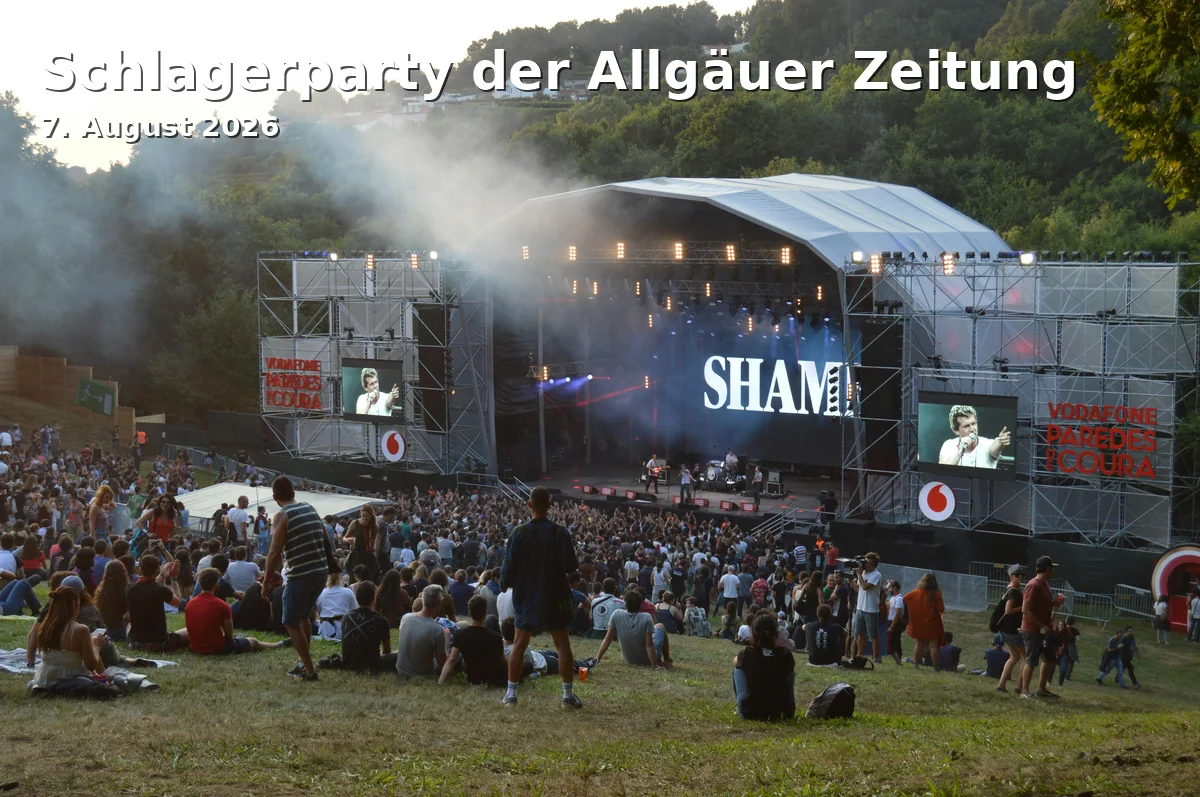
Schlagerparty of the Allgäuer Zeitung
Experience the Schlagerparty of the Allgäuer Zeitung on August 7, 2026, in Stadtpark Kempten. An evening full of music and joy.
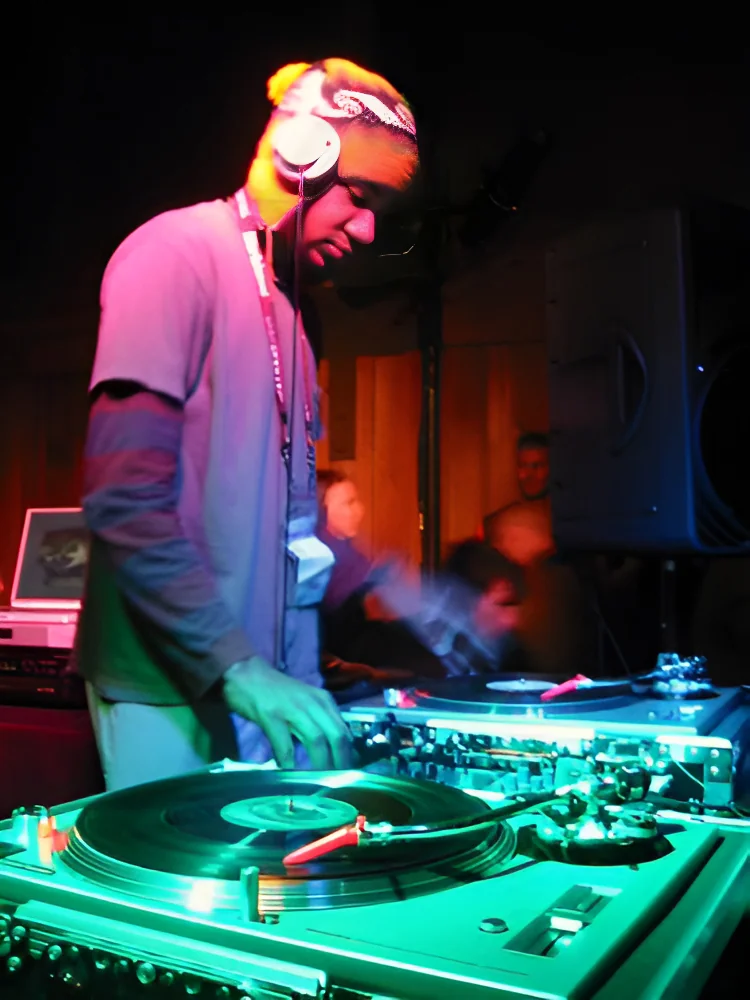
AZ-Schlagerparty at the Allgäu Festival Week
Celebrate at the AZ-Schlagerparty with DJ Double T and DJ Butzi at the Allgäu Festival Week in Kempten on August 7, 2026.

Allgäu Festival Week
Experience the largest hometown festival in Kempten with culture, fun, and community. Free admission.
Frequently Asked Questions
Reviews
SteveK
20. May 2025
Nice park, it is the sovereign territory of like 2 dozen crows! xD Just amazing...
Miriam Erpenbach
9. November 2022
The park is finally open again although pedestrians are well advised to secure their purses and valuables while watching out for racing bicyclists, motorized "rollers" and hoards of students returning home from school, waiting to catch a bus there.
Siew Chin Leong
3. April 2024
Limited for kids and 🚬 cigarettes buds are everywhere around and also at the playground. Watch out your Toddlers.
Karl Maussner
24. August 2025
One town, one hundred trees
h-j widmann
24. August 2024
Top 👍