
Kempten (Allgäu)
Kotterner Str. 54, 87435 Kempten (Allgäu), Deutschland
Allgäuhalle | Flea Market & Parking
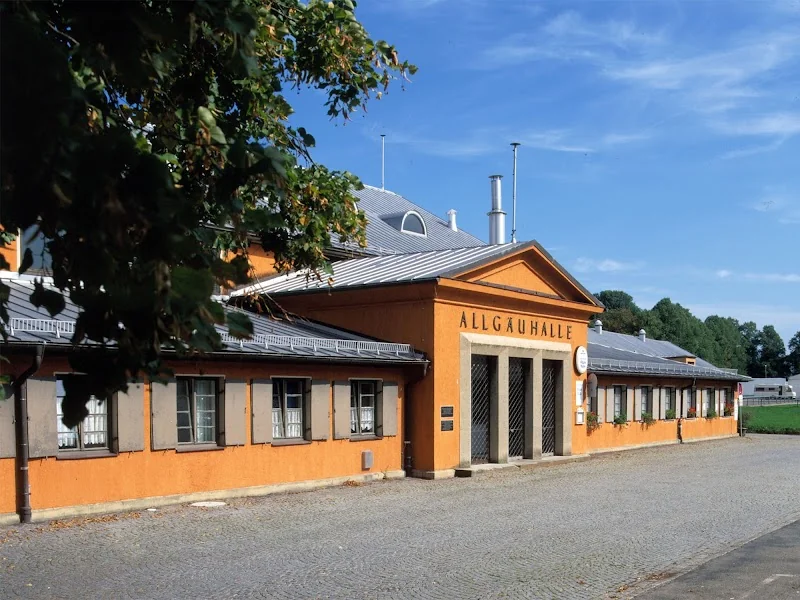
The Allgäuhalle in Kempten is today less a single hall than a historically grown area with different uses, places of remembrance, and clear future plans. Those searching for Allgäuhalle Kempten, flea market, parking, or events will find a location that has been publicly used for decades, is being urbanistically developed, and remains an important place for remembrance and culture. The site on Kotterner Straße is, according to the city, accessible via Kotterner Straße and public transport; surrounding areas play a central role in parking spaces, cultural offerings, and the long-term development of the site. For visitors, the flea market tradition, the regulated parking situation, the use of Hall I and Hall II, and the CultureWIRtschaft are particularly relevant. ([ratsinfo.kempten.de](https://ratsinfo.kempten.de/bi/getfile.php?id=82662&type=do&utm_source=openai))
Flea Market in the Allgäuhalle: Tradition, Dates, and Exhibitors
The most well-known search term related to the Allgäuhalle is the flea market. This is no coincidence, as the official website explicitly describes the history as a long tradition: Since 1984, Horst Schuller has been one of the creators and founders of the flea markets in Kempten, initially in the Zentralhaus and later in the Allgäuhallen. This continuity is important for the location because it explains why the hall is still strongly associated with second-hand goods, antiques, collectibles, and dealer markets. So, anyone searching for Allgäuhalle flea market or Allgäuhalle Kempten flea market is not just looking for a date but a piece of Kempten's event culture. ([flohmarkt-kempten.de](https://www.flohmarkt-kempten.de/))
For 2026, the official flea market site lists specific dates, which almost always fall on the first Saturday of the month: February 7, March 7, April 4, May 2, June 6, July 4, August 1, September 5, October 17, November 7, and December 5. Thus, the flea market is not set as a one-time event but as a recurring format that can be well planned for visitors from Kempten and the surrounding area. The website also emphasizes that registrations are possible by phone or via WhatsApp and that the spots are in high demand. Therefore, when someone searches for Allgäuhalle today, they often mean this date logic and the question of whether flea market operations actually take place on a specific Saturday. ([flohmarkt-kempten.de](https://www.flohmarkt-kempten.de/))
The city of Kempten also confirms the special role of the market: In the resolution template regarding usage fees, it states that the Kälberhalle, due to its historical past, will initially only be rented for events with a cultural-historical background, but flea market organizers will continue to be offered the opportunity to hold events there due to the over 40-year market tradition. This is exactly what makes the Allgäuhalle so interesting for the search for flea market Kempten: It is not about any market, but about a traditional format that is urbanly embedded, historically sensitive, and organizationally plannable. ([ratsinfo.kempten.de](https://ratsinfo.kempten.de/bi/getfile.php?id=63614&type=do))
Parking at the Allgäuhalle: Fees, Long-Term Parking, and Accessibility
A second core topic is parking. The city of Kempten lists the Allgäuhalle in the parking fee regulation as a short-term parking lot; the fee there is 0.70 euros gross per half hour. For search queries like Allgäuhalle parking, Allgäuhalle Kempten parking, or Allgäuhalle Kempten parking costs, this is the most important reliable information. Those arriving by car should also note that the area is explicitly classified in the city's parking regulations as a city center parking lot with high demand. This fits with the central location of the site and explains why parking around the Allgäuhalle is a recurring topic. ([ratsinfo.kempten.de](https://ratsinfo.kempten.de/bi/getfile.php?id=78467&type=do))
For longer parking, the city refers to the long-term parking permit. In the official online application, 1 month is listed for 35 euros, 4 months for 120 euros, 6 months for 175 euros, and 12 months for 350 euros. The Allgäuhalle is one of the areas for which a long-term parking permit can generally be used, but explicitly not during events and during setup and dismantling. This is an important point for visitors, as many assume that a parking space is constantly available on-site. In reality, availability depends on the event situation, and especially on flea market or fair days, the area can be significantly restricted. ([formulare.kempten.de](https://formulare.kempten.de/frontend-server/form/provide/804/?utm_source=openai))
The city's documents also make it clear how limited and situation-dependent parking is at the site. In the resolution template from 2023, it mentions a roundabout in front of the main entrance with about 60 parking spaces and the southern open area with about 400 parking spaces, with such areas only being designated for open-air events on a case-by-case basis. At the same time, the land use plan 2040 suggests that the large parking lot south of the Allgäuhalle will be considered a reserve area for a possible school location in the long term. Therefore, those visiting the Allgäuhalle do not see a static parking landscape but an urban space whose use must be mediated between events, accessibility, and future urban development. ([ratsinfo.kempten.de](https://ratsinfo.kempten.de/bi/getfile.php?id=63614&type=do))
Events, Exhibitions, and Open-Air Use at the Site
Even for events, the Allgäuhalle is a versatile but clearly structured place. The city distinguishes between Hall I, the so-called demonstration hall, and Hall II, the Kälberhalle. As part of the new orientation of future use, the usage fees have been simplified and the uses organized. This is important because search terms like Allgäuhalle events, Allgäuhalle Kempten events, or Allgäuhalle open air evoke very different expectations. In fact, the area is prepared for various formats, but not every space is always freely available. In particular, the open area is, according to the city, generally not used as a parking area; exceptions exist only for the annual circus guest performance and one to two open-air events per year. ([ratsinfo.kempten.de](https://ratsinfo.kempten.de/bi/getfile.php?id=63614&type=do))
For open-air uses, the resolution template specifies concrete dimensions and decision-making paths. The roundabout in front of the main entrance includes about 60 parking spaces, larger open-air events on the southern open area have about 400 parking spaces, and inquiries should be decided on a case-by-case basis. This makes the location interesting for organizers because it offers flexible options while remaining protected and controlled. The land use plan 2040 additionally sets a sign for the future: The area Allgäu Halle North is presented there as a special use with the purpose of a cultural center, on an area of about 1.2 hectares. This shifts the focus of planning from a mere usage location to a cultural and meeting space. ([ratsinfo.kempten.de](https://ratsinfo.kempten.de/bi/getfile.php?id=63614&type=do))
Another current aspect is exhibitions and memory labs. In city documents, a series of community exhibitions at the historic site Allgäuhalle are announced for 2026, including elements of a memory lab in the Kälberhalle. For the search for Allgäuhalle exhibition or Allgäuhalle Kempten exhibition, this is a clear indication: It is not only about classic trade or sales formats but increasingly also about content-curated cultural work, historical education, and participatory formats. This mix of flea market, cultural history, and exhibition makes the Allgäuhalle an unusual but very distinctive event location in the Allgäu. ([ratsinfo.kempten.de](https://ratsinfo.kempten.de/bi/getfile.php?id=85401&type=do&utm_source=openai))
History of the Allgäuhalle and the Site
The historical depth of the place is one of the strongest reasons why the Allgäuhalle in Kempten remains so striking. According to city documents, the Allgäuhalle was built in 1928 as an animal breeding hall. Later, it was misused by the National Socialists, used as a refugee accommodation after 1945, and has been protected as a historical monument since 2015. This sequence makes it clear that the building is not only architecturally but also socially burdened and significant. Those searching for Allgäuhalle Kempten today often unconsciously seek a place that carries multiple historical layers and is consciously treated as a memorial and cultural site in current planning. ([ratsinfo.kempten.de](https://ratsinfo.kempten.de/bi/getfile.php?id=78295&type=do&utm_source=openai))
The current city planning explicitly describes the area around the Allgäuhalle as a memorial and cultural site. The guidelines state that the area is the last free land reserve in a chain of strong neighborhoods in excellent location and accessibility; at the same time, it is understood as a space dedicated to the public. The city formulates terms like remembrance, trying, community, and open dialogue and connects the area with a long-term development that is considered not only functional but also socially. This is an important context because the Allgäuhalle is thus not merely perceived as an event space but as part of a broader urban identity. ([ratsinfo.kempten.de](https://ratsinfo.kempten.de/bi/getfile.php?id=82023&type=do))
The area also includes the Kälberhalle, which is described in city documents as a crystallization point of Kempten's history. It is noted that it was built in 1931 as a stable building for livestock auctions and served as an external camp of the Dachau concentration camp from 1934. Such information is important for a serious description of the Allgäuhalle because it shows why the city focuses on cultural-historical formats and memory culture for future use. For visitors who are only looking for photos or parking spaces, this may initially be surprising, but it is precisely this historical dimension that makes the place unique and distinguishes it from purely functional event spaces. ([ratsinfo.kempten.de](https://ratsinfo.kempten.de/bi/getfile.php?id=78295&type=do&utm_source=openai))
CultureWIRtschaft and the Current Use of the Allgäuhalle
The current use of the Allgäuhalle is particularly shaped by the CultureWIRtschaft. According to city documents, the former restaurant has been used as a live club and small arts stage since 2023. For the search for Allgäuhalle photos, Allgäuhalle today, or Allgäuhalle events, this is important because the area is now defined not only by the flea market but also by new cultural formats. The city describes the CultureWIRtschaft as a non-commercial cultural and event location that has great significance for Kempten's cultural infrastructure. Thus, the Allgäuhalle is today a place where history, audience, and cultural production meet very directly. ([ratsinfo.kempten.de](https://ratsinfo.kempten.de/bi/getfile.php?id=78295&type=do&utm_source=openai))
The KQA e.V. is also important in this context. The association presents its work in the CultureWIRtschaft, and the city notes that cultural use, open space, socio-cultural opportunities, and gastronomy are central components of the decided considerations. In the guidelines of the area, the term transfer zone with cultural economy appears, meaning a central place for presentations, exchange, and basic supply. This shows where the area is supposed to develop: not away from its history, but towards a diverse space where culture, encounter, and remembrance are interconnected. ([ratsinfo.kempten.de](https://ratsinfo.kempten.de/bi/getfile.php?id=85228&type=do))
The KQA e.V. also specifies concrete dimensions for the CultureWIRtschaft: The opening took place in April 2023 in the former restaurant, the hall includes 101 square meters plus ancillary areas such as backstage, kitchen, and storage, and for 2024, around 135 events and about 5,000 visitors are expected. This information is useful for assessing the current Allgäuhalle because it paints a picture of a small but very active stage. So, anyone searching for Allgäuhalle Kempten events will find not only large halls and markets but also a cultural local format that is rooted in the neighborhood and shapes the future of the location. ([ratsinfo.kempten.de](https://ratsinfo.kempten.de/bi/getfile.php?id=85399&type=do&utm_source=openai))
Sources:
Show moreShow less
Allgäuhalle | Flea Market & Parking
The Allgäuhalle in Kempten is today less a single hall than a historically grown area with different uses, places of remembrance, and clear future plans. Those searching for Allgäuhalle Kempten, flea market, parking, or events will find a location that has been publicly used for decades, is being urbanistically developed, and remains an important place for remembrance and culture. The site on Kotterner Straße is, according to the city, accessible via Kotterner Straße and public transport; surrounding areas play a central role in parking spaces, cultural offerings, and the long-term development of the site. For visitors, the flea market tradition, the regulated parking situation, the use of Hall I and Hall II, and the CultureWIRtschaft are particularly relevant. ([ratsinfo.kempten.de](https://ratsinfo.kempten.de/bi/getfile.php?id=82662&type=do&utm_source=openai))
Flea Market in the Allgäuhalle: Tradition, Dates, and Exhibitors
The most well-known search term related to the Allgäuhalle is the flea market. This is no coincidence, as the official website explicitly describes the history as a long tradition: Since 1984, Horst Schuller has been one of the creators and founders of the flea markets in Kempten, initially in the Zentralhaus and later in the Allgäuhallen. This continuity is important for the location because it explains why the hall is still strongly associated with second-hand goods, antiques, collectibles, and dealer markets. So, anyone searching for Allgäuhalle flea market or Allgäuhalle Kempten flea market is not just looking for a date but a piece of Kempten's event culture. ([flohmarkt-kempten.de](https://www.flohmarkt-kempten.de/))
For 2026, the official flea market site lists specific dates, which almost always fall on the first Saturday of the month: February 7, March 7, April 4, May 2, June 6, July 4, August 1, September 5, October 17, November 7, and December 5. Thus, the flea market is not set as a one-time event but as a recurring format that can be well planned for visitors from Kempten and the surrounding area. The website also emphasizes that registrations are possible by phone or via WhatsApp and that the spots are in high demand. Therefore, when someone searches for Allgäuhalle today, they often mean this date logic and the question of whether flea market operations actually take place on a specific Saturday. ([flohmarkt-kempten.de](https://www.flohmarkt-kempten.de/))
The city of Kempten also confirms the special role of the market: In the resolution template regarding usage fees, it states that the Kälberhalle, due to its historical past, will initially only be rented for events with a cultural-historical background, but flea market organizers will continue to be offered the opportunity to hold events there due to the over 40-year market tradition. This is exactly what makes the Allgäuhalle so interesting for the search for flea market Kempten: It is not about any market, but about a traditional format that is urbanly embedded, historically sensitive, and organizationally plannable. ([ratsinfo.kempten.de](https://ratsinfo.kempten.de/bi/getfile.php?id=63614&type=do))
Parking at the Allgäuhalle: Fees, Long-Term Parking, and Accessibility
A second core topic is parking. The city of Kempten lists the Allgäuhalle in the parking fee regulation as a short-term parking lot; the fee there is 0.70 euros gross per half hour. For search queries like Allgäuhalle parking, Allgäuhalle Kempten parking, or Allgäuhalle Kempten parking costs, this is the most important reliable information. Those arriving by car should also note that the area is explicitly classified in the city's parking regulations as a city center parking lot with high demand. This fits with the central location of the site and explains why parking around the Allgäuhalle is a recurring topic. ([ratsinfo.kempten.de](https://ratsinfo.kempten.de/bi/getfile.php?id=78467&type=do))
For longer parking, the city refers to the long-term parking permit. In the official online application, 1 month is listed for 35 euros, 4 months for 120 euros, 6 months for 175 euros, and 12 months for 350 euros. The Allgäuhalle is one of the areas for which a long-term parking permit can generally be used, but explicitly not during events and during setup and dismantling. This is an important point for visitors, as many assume that a parking space is constantly available on-site. In reality, availability depends on the event situation, and especially on flea market or fair days, the area can be significantly restricted. ([formulare.kempten.de](https://formulare.kempten.de/frontend-server/form/provide/804/?utm_source=openai))
The city's documents also make it clear how limited and situation-dependent parking is at the site. In the resolution template from 2023, it mentions a roundabout in front of the main entrance with about 60 parking spaces and the southern open area with about 400 parking spaces, with such areas only being designated for open-air events on a case-by-case basis. At the same time, the land use plan 2040 suggests that the large parking lot south of the Allgäuhalle will be considered a reserve area for a possible school location in the long term. Therefore, those visiting the Allgäuhalle do not see a static parking landscape but an urban space whose use must be mediated between events, accessibility, and future urban development. ([ratsinfo.kempten.de](https://ratsinfo.kempten.de/bi/getfile.php?id=63614&type=do))
Events, Exhibitions, and Open-Air Use at the Site
Even for events, the Allgäuhalle is a versatile but clearly structured place. The city distinguishes between Hall I, the so-called demonstration hall, and Hall II, the Kälberhalle. As part of the new orientation of future use, the usage fees have been simplified and the uses organized. This is important because search terms like Allgäuhalle events, Allgäuhalle Kempten events, or Allgäuhalle open air evoke very different expectations. In fact, the area is prepared for various formats, but not every space is always freely available. In particular, the open area is, according to the city, generally not used as a parking area; exceptions exist only for the annual circus guest performance and one to two open-air events per year. ([ratsinfo.kempten.de](https://ratsinfo.kempten.de/bi/getfile.php?id=63614&type=do))
For open-air uses, the resolution template specifies concrete dimensions and decision-making paths. The roundabout in front of the main entrance includes about 60 parking spaces, larger open-air events on the southern open area have about 400 parking spaces, and inquiries should be decided on a case-by-case basis. This makes the location interesting for organizers because it offers flexible options while remaining protected and controlled. The land use plan 2040 additionally sets a sign for the future: The area Allgäu Halle North is presented there as a special use with the purpose of a cultural center, on an area of about 1.2 hectares. This shifts the focus of planning from a mere usage location to a cultural and meeting space. ([ratsinfo.kempten.de](https://ratsinfo.kempten.de/bi/getfile.php?id=63614&type=do))
Another current aspect is exhibitions and memory labs. In city documents, a series of community exhibitions at the historic site Allgäuhalle are announced for 2026, including elements of a memory lab in the Kälberhalle. For the search for Allgäuhalle exhibition or Allgäuhalle Kempten exhibition, this is a clear indication: It is not only about classic trade or sales formats but increasingly also about content-curated cultural work, historical education, and participatory formats. This mix of flea market, cultural history, and exhibition makes the Allgäuhalle an unusual but very distinctive event location in the Allgäu. ([ratsinfo.kempten.de](https://ratsinfo.kempten.de/bi/getfile.php?id=85401&type=do&utm_source=openai))
History of the Allgäuhalle and the Site
The historical depth of the place is one of the strongest reasons why the Allgäuhalle in Kempten remains so striking. According to city documents, the Allgäuhalle was built in 1928 as an animal breeding hall. Later, it was misused by the National Socialists, used as a refugee accommodation after 1945, and has been protected as a historical monument since 2015. This sequence makes it clear that the building is not only architecturally but also socially burdened and significant. Those searching for Allgäuhalle Kempten today often unconsciously seek a place that carries multiple historical layers and is consciously treated as a memorial and cultural site in current planning. ([ratsinfo.kempten.de](https://ratsinfo.kempten.de/bi/getfile.php?id=78295&type=do&utm_source=openai))
The current city planning explicitly describes the area around the Allgäuhalle as a memorial and cultural site. The guidelines state that the area is the last free land reserve in a chain of strong neighborhoods in excellent location and accessibility; at the same time, it is understood as a space dedicated to the public. The city formulates terms like remembrance, trying, community, and open dialogue and connects the area with a long-term development that is considered not only functional but also socially. This is an important context because the Allgäuhalle is thus not merely perceived as an event space but as part of a broader urban identity. ([ratsinfo.kempten.de](https://ratsinfo.kempten.de/bi/getfile.php?id=82023&type=do))
The area also includes the Kälberhalle, which is described in city documents as a crystallization point of Kempten's history. It is noted that it was built in 1931 as a stable building for livestock auctions and served as an external camp of the Dachau concentration camp from 1934. Such information is important for a serious description of the Allgäuhalle because it shows why the city focuses on cultural-historical formats and memory culture for future use. For visitors who are only looking for photos or parking spaces, this may initially be surprising, but it is precisely this historical dimension that makes the place unique and distinguishes it from purely functional event spaces. ([ratsinfo.kempten.de](https://ratsinfo.kempten.de/bi/getfile.php?id=78295&type=do&utm_source=openai))
CultureWIRtschaft and the Current Use of the Allgäuhalle
The current use of the Allgäuhalle is particularly shaped by the CultureWIRtschaft. According to city documents, the former restaurant has been used as a live club and small arts stage since 2023. For the search for Allgäuhalle photos, Allgäuhalle today, or Allgäuhalle events, this is important because the area is now defined not only by the flea market but also by new cultural formats. The city describes the CultureWIRtschaft as a non-commercial cultural and event location that has great significance for Kempten's cultural infrastructure. Thus, the Allgäuhalle is today a place where history, audience, and cultural production meet very directly. ([ratsinfo.kempten.de](https://ratsinfo.kempten.de/bi/getfile.php?id=78295&type=do&utm_source=openai))
The KQA e.V. is also important in this context. The association presents its work in the CultureWIRtschaft, and the city notes that cultural use, open space, socio-cultural opportunities, and gastronomy are central components of the decided considerations. In the guidelines of the area, the term transfer zone with cultural economy appears, meaning a central place for presentations, exchange, and basic supply. This shows where the area is supposed to develop: not away from its history, but towards a diverse space where culture, encounter, and remembrance are interconnected. ([ratsinfo.kempten.de](https://ratsinfo.kempten.de/bi/getfile.php?id=85228&type=do))
The KQA e.V. also specifies concrete dimensions for the CultureWIRtschaft: The opening took place in April 2023 in the former restaurant, the hall includes 101 square meters plus ancillary areas such as backstage, kitchen, and storage, and for 2024, around 135 events and about 5,000 visitors are expected. This information is useful for assessing the current Allgäuhalle because it paints a picture of a small but very active stage. So, anyone searching for Allgäuhalle Kempten events will find not only large halls and markets but also a cultural local format that is rooted in the neighborhood and shapes the future of the location. ([ratsinfo.kempten.de](https://ratsinfo.kempten.de/bi/getfile.php?id=85399&type=do&utm_source=openai))
Sources:
Allgäuhalle | Flea Market & Parking
The Allgäuhalle in Kempten is today less a single hall than a historically grown area with different uses, places of remembrance, and clear future plans. Those searching for Allgäuhalle Kempten, flea market, parking, or events will find a location that has been publicly used for decades, is being urbanistically developed, and remains an important place for remembrance and culture. The site on Kotterner Straße is, according to the city, accessible via Kotterner Straße and public transport; surrounding areas play a central role in parking spaces, cultural offerings, and the long-term development of the site. For visitors, the flea market tradition, the regulated parking situation, the use of Hall I and Hall II, and the CultureWIRtschaft are particularly relevant. ([ratsinfo.kempten.de](https://ratsinfo.kempten.de/bi/getfile.php?id=82662&type=do&utm_source=openai))
Flea Market in the Allgäuhalle: Tradition, Dates, and Exhibitors
The most well-known search term related to the Allgäuhalle is the flea market. This is no coincidence, as the official website explicitly describes the history as a long tradition: Since 1984, Horst Schuller has been one of the creators and founders of the flea markets in Kempten, initially in the Zentralhaus and later in the Allgäuhallen. This continuity is important for the location because it explains why the hall is still strongly associated with second-hand goods, antiques, collectibles, and dealer markets. So, anyone searching for Allgäuhalle flea market or Allgäuhalle Kempten flea market is not just looking for a date but a piece of Kempten's event culture. ([flohmarkt-kempten.de](https://www.flohmarkt-kempten.de/))
For 2026, the official flea market site lists specific dates, which almost always fall on the first Saturday of the month: February 7, March 7, April 4, May 2, June 6, July 4, August 1, September 5, October 17, November 7, and December 5. Thus, the flea market is not set as a one-time event but as a recurring format that can be well planned for visitors from Kempten and the surrounding area. The website also emphasizes that registrations are possible by phone or via WhatsApp and that the spots are in high demand. Therefore, when someone searches for Allgäuhalle today, they often mean this date logic and the question of whether flea market operations actually take place on a specific Saturday. ([flohmarkt-kempten.de](https://www.flohmarkt-kempten.de/))
The city of Kempten also confirms the special role of the market: In the resolution template regarding usage fees, it states that the Kälberhalle, due to its historical past, will initially only be rented for events with a cultural-historical background, but flea market organizers will continue to be offered the opportunity to hold events there due to the over 40-year market tradition. This is exactly what makes the Allgäuhalle so interesting for the search for flea market Kempten: It is not about any market, but about a traditional format that is urbanly embedded, historically sensitive, and organizationally plannable. ([ratsinfo.kempten.de](https://ratsinfo.kempten.de/bi/getfile.php?id=63614&type=do))
Parking at the Allgäuhalle: Fees, Long-Term Parking, and Accessibility
A second core topic is parking. The city of Kempten lists the Allgäuhalle in the parking fee regulation as a short-term parking lot; the fee there is 0.70 euros gross per half hour. For search queries like Allgäuhalle parking, Allgäuhalle Kempten parking, or Allgäuhalle Kempten parking costs, this is the most important reliable information. Those arriving by car should also note that the area is explicitly classified in the city's parking regulations as a city center parking lot with high demand. This fits with the central location of the site and explains why parking around the Allgäuhalle is a recurring topic. ([ratsinfo.kempten.de](https://ratsinfo.kempten.de/bi/getfile.php?id=78467&type=do))
For longer parking, the city refers to the long-term parking permit. In the official online application, 1 month is listed for 35 euros, 4 months for 120 euros, 6 months for 175 euros, and 12 months for 350 euros. The Allgäuhalle is one of the areas for which a long-term parking permit can generally be used, but explicitly not during events and during setup and dismantling. This is an important point for visitors, as many assume that a parking space is constantly available on-site. In reality, availability depends on the event situation, and especially on flea market or fair days, the area can be significantly restricted. ([formulare.kempten.de](https://formulare.kempten.de/frontend-server/form/provide/804/?utm_source=openai))
The city's documents also make it clear how limited and situation-dependent parking is at the site. In the resolution template from 2023, it mentions a roundabout in front of the main entrance with about 60 parking spaces and the southern open area with about 400 parking spaces, with such areas only being designated for open-air events on a case-by-case basis. At the same time, the land use plan 2040 suggests that the large parking lot south of the Allgäuhalle will be considered a reserve area for a possible school location in the long term. Therefore, those visiting the Allgäuhalle do not see a static parking landscape but an urban space whose use must be mediated between events, accessibility, and future urban development. ([ratsinfo.kempten.de](https://ratsinfo.kempten.de/bi/getfile.php?id=63614&type=do))
Events, Exhibitions, and Open-Air Use at the Site
Even for events, the Allgäuhalle is a versatile but clearly structured place. The city distinguishes between Hall I, the so-called demonstration hall, and Hall II, the Kälberhalle. As part of the new orientation of future use, the usage fees have been simplified and the uses organized. This is important because search terms like Allgäuhalle events, Allgäuhalle Kempten events, or Allgäuhalle open air evoke very different expectations. In fact, the area is prepared for various formats, but not every space is always freely available. In particular, the open area is, according to the city, generally not used as a parking area; exceptions exist only for the annual circus guest performance and one to two open-air events per year. ([ratsinfo.kempten.de](https://ratsinfo.kempten.de/bi/getfile.php?id=63614&type=do))
For open-air uses, the resolution template specifies concrete dimensions and decision-making paths. The roundabout in front of the main entrance includes about 60 parking spaces, larger open-air events on the southern open area have about 400 parking spaces, and inquiries should be decided on a case-by-case basis. This makes the location interesting for organizers because it offers flexible options while remaining protected and controlled. The land use plan 2040 additionally sets a sign for the future: The area Allgäu Halle North is presented there as a special use with the purpose of a cultural center, on an area of about 1.2 hectares. This shifts the focus of planning from a mere usage location to a cultural and meeting space. ([ratsinfo.kempten.de](https://ratsinfo.kempten.de/bi/getfile.php?id=63614&type=do))
Another current aspect is exhibitions and memory labs. In city documents, a series of community exhibitions at the historic site Allgäuhalle are announced for 2026, including elements of a memory lab in the Kälberhalle. For the search for Allgäuhalle exhibition or Allgäuhalle Kempten exhibition, this is a clear indication: It is not only about classic trade or sales formats but increasingly also about content-curated cultural work, historical education, and participatory formats. This mix of flea market, cultural history, and exhibition makes the Allgäuhalle an unusual but very distinctive event location in the Allgäu. ([ratsinfo.kempten.de](https://ratsinfo.kempten.de/bi/getfile.php?id=85401&type=do&utm_source=openai))
History of the Allgäuhalle and the Site
The historical depth of the place is one of the strongest reasons why the Allgäuhalle in Kempten remains so striking. According to city documents, the Allgäuhalle was built in 1928 as an animal breeding hall. Later, it was misused by the National Socialists, used as a refugee accommodation after 1945, and has been protected as a historical monument since 2015. This sequence makes it clear that the building is not only architecturally but also socially burdened and significant. Those searching for Allgäuhalle Kempten today often unconsciously seek a place that carries multiple historical layers and is consciously treated as a memorial and cultural site in current planning. ([ratsinfo.kempten.de](https://ratsinfo.kempten.de/bi/getfile.php?id=78295&type=do&utm_source=openai))
The current city planning explicitly describes the area around the Allgäuhalle as a memorial and cultural site. The guidelines state that the area is the last free land reserve in a chain of strong neighborhoods in excellent location and accessibility; at the same time, it is understood as a space dedicated to the public. The city formulates terms like remembrance, trying, community, and open dialogue and connects the area with a long-term development that is considered not only functional but also socially. This is an important context because the Allgäuhalle is thus not merely perceived as an event space but as part of a broader urban identity. ([ratsinfo.kempten.de](https://ratsinfo.kempten.de/bi/getfile.php?id=82023&type=do))
The area also includes the Kälberhalle, which is described in city documents as a crystallization point of Kempten's history. It is noted that it was built in 1931 as a stable building for livestock auctions and served as an external camp of the Dachau concentration camp from 1934. Such information is important for a serious description of the Allgäuhalle because it shows why the city focuses on cultural-historical formats and memory culture for future use. For visitors who are only looking for photos or parking spaces, this may initially be surprising, but it is precisely this historical dimension that makes the place unique and distinguishes it from purely functional event spaces. ([ratsinfo.kempten.de](https://ratsinfo.kempten.de/bi/getfile.php?id=78295&type=do&utm_source=openai))
CultureWIRtschaft and the Current Use of the Allgäuhalle
The current use of the Allgäuhalle is particularly shaped by the CultureWIRtschaft. According to city documents, the former restaurant has been used as a live club and small arts stage since 2023. For the search for Allgäuhalle photos, Allgäuhalle today, or Allgäuhalle events, this is important because the area is now defined not only by the flea market but also by new cultural formats. The city describes the CultureWIRtschaft as a non-commercial cultural and event location that has great significance for Kempten's cultural infrastructure. Thus, the Allgäuhalle is today a place where history, audience, and cultural production meet very directly. ([ratsinfo.kempten.de](https://ratsinfo.kempten.de/bi/getfile.php?id=78295&type=do&utm_source=openai))
The KQA e.V. is also important in this context. The association presents its work in the CultureWIRtschaft, and the city notes that cultural use, open space, socio-cultural opportunities, and gastronomy are central components of the decided considerations. In the guidelines of the area, the term transfer zone with cultural economy appears, meaning a central place for presentations, exchange, and basic supply. This shows where the area is supposed to develop: not away from its history, but towards a diverse space where culture, encounter, and remembrance are interconnected. ([ratsinfo.kempten.de](https://ratsinfo.kempten.de/bi/getfile.php?id=85228&type=do))
The KQA e.V. also specifies concrete dimensions for the CultureWIRtschaft: The opening took place in April 2023 in the former restaurant, the hall includes 101 square meters plus ancillary areas such as backstage, kitchen, and storage, and for 2024, around 135 events and about 5,000 visitors are expected. This information is useful for assessing the current Allgäuhalle because it paints a picture of a small but very active stage. So, anyone searching for Allgäuhalle Kempten events will find not only large halls and markets but also a cultural local format that is rooted in the neighborhood and shapes the future of the location. ([ratsinfo.kempten.de](https://ratsinfo.kempten.de/bi/getfile.php?id=85399&type=do&utm_source=openai))
Sources:
Upcoming Events
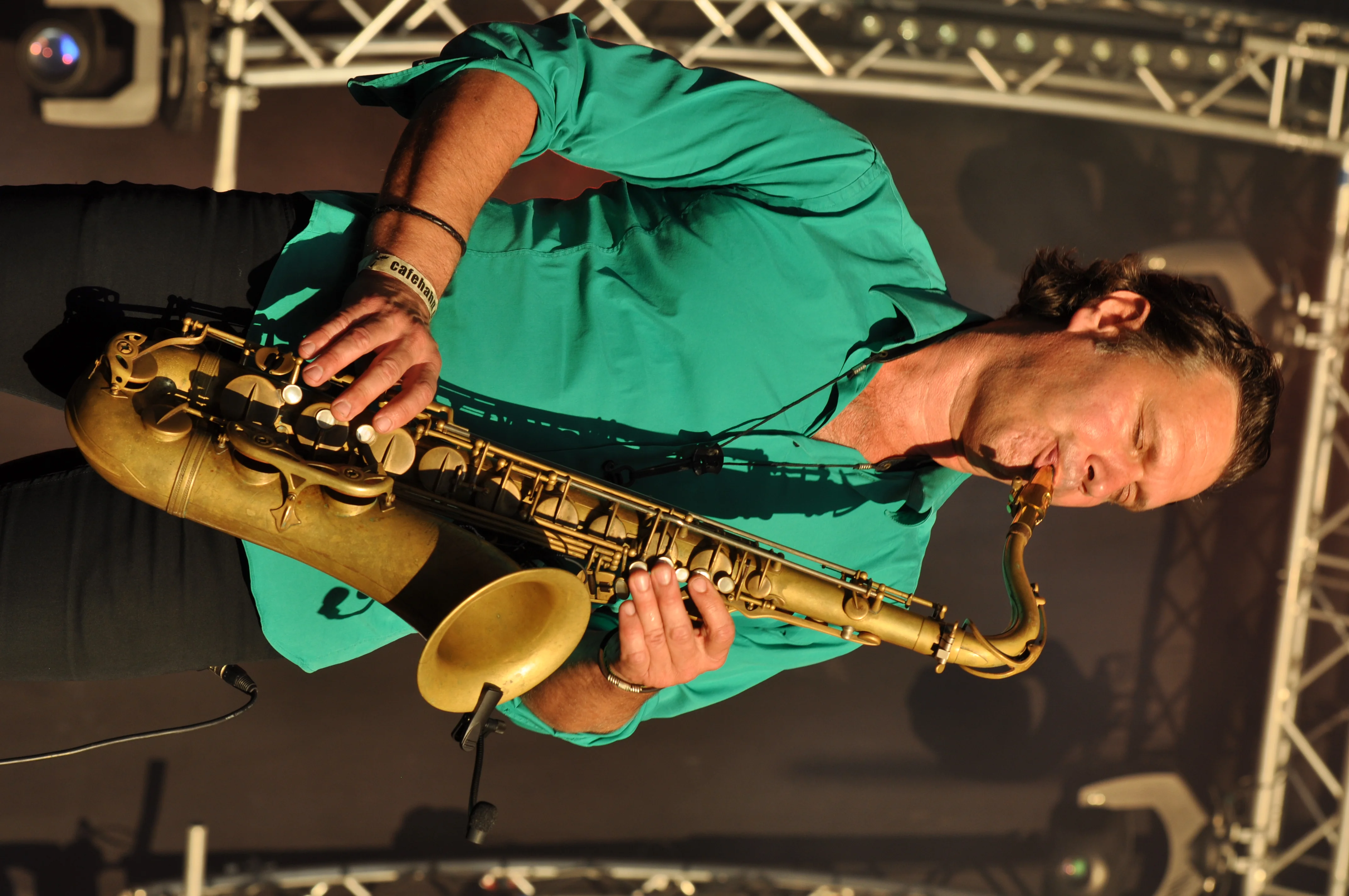
Klecks.Live: Mulo Francel & Die Drahtzieher
Don’t miss: Mulo Francel & Die Drahtzieher live on July 2 in Kempten. Jazz and world music in the Allgäuhalle!

BODY WORLDS & The Cycle of Life
Discover the fascinating world of the human body at the BODY WORLDS exhibition in Kempten.
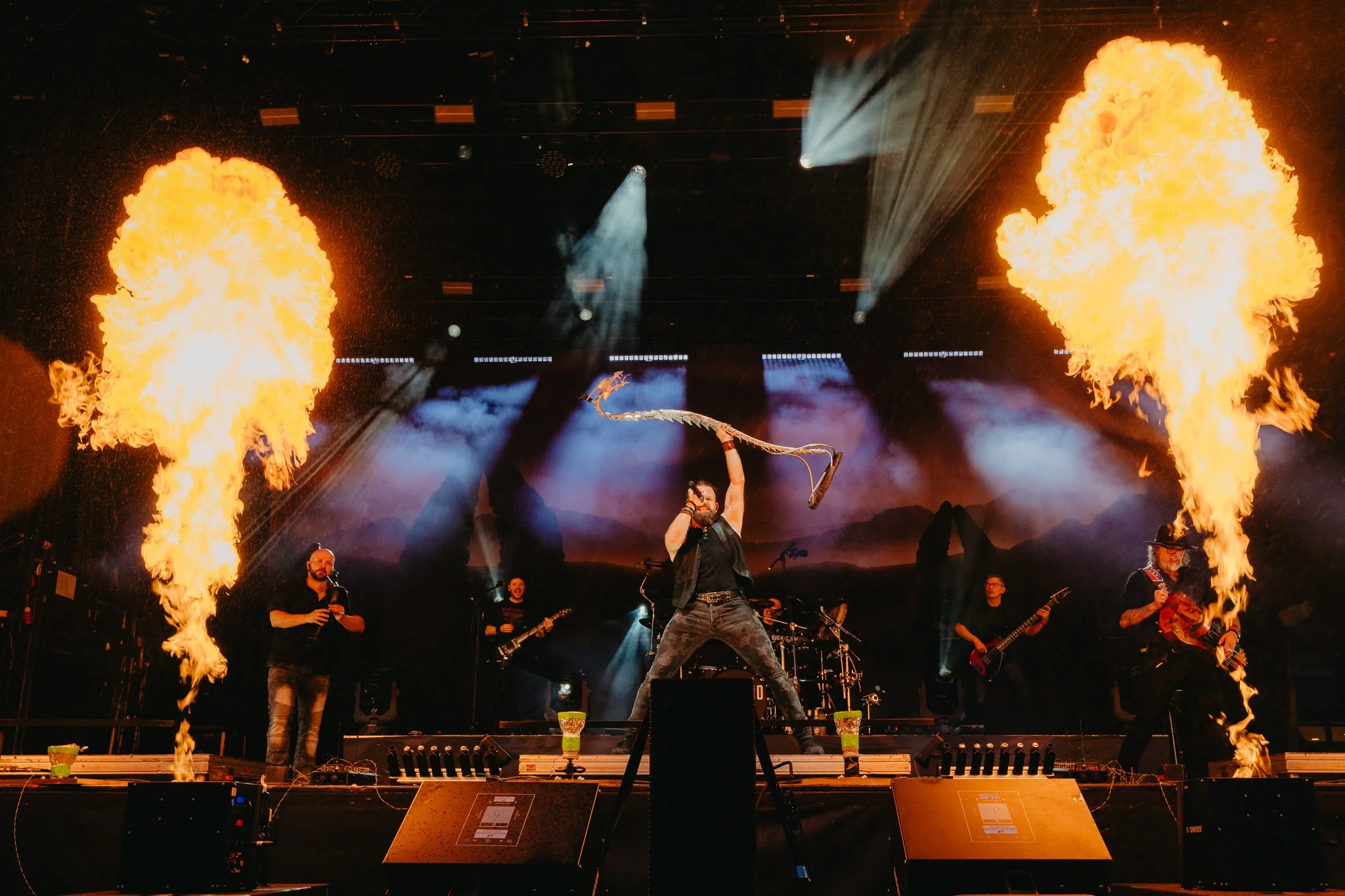
Open Air: Saltatio Mortis – Burgentour Dust & Shadows
Experience Saltatio Mortis live on July 24, 2026, in Kempten on their 'Dust & Shadows' tour. An unforgettable open-air experience!
Saltatio Mortis - Burgentour - Dust & Shadows
See the medieval rockers Saltatio Mortis live in Kempten. Experience an unforgettable show!
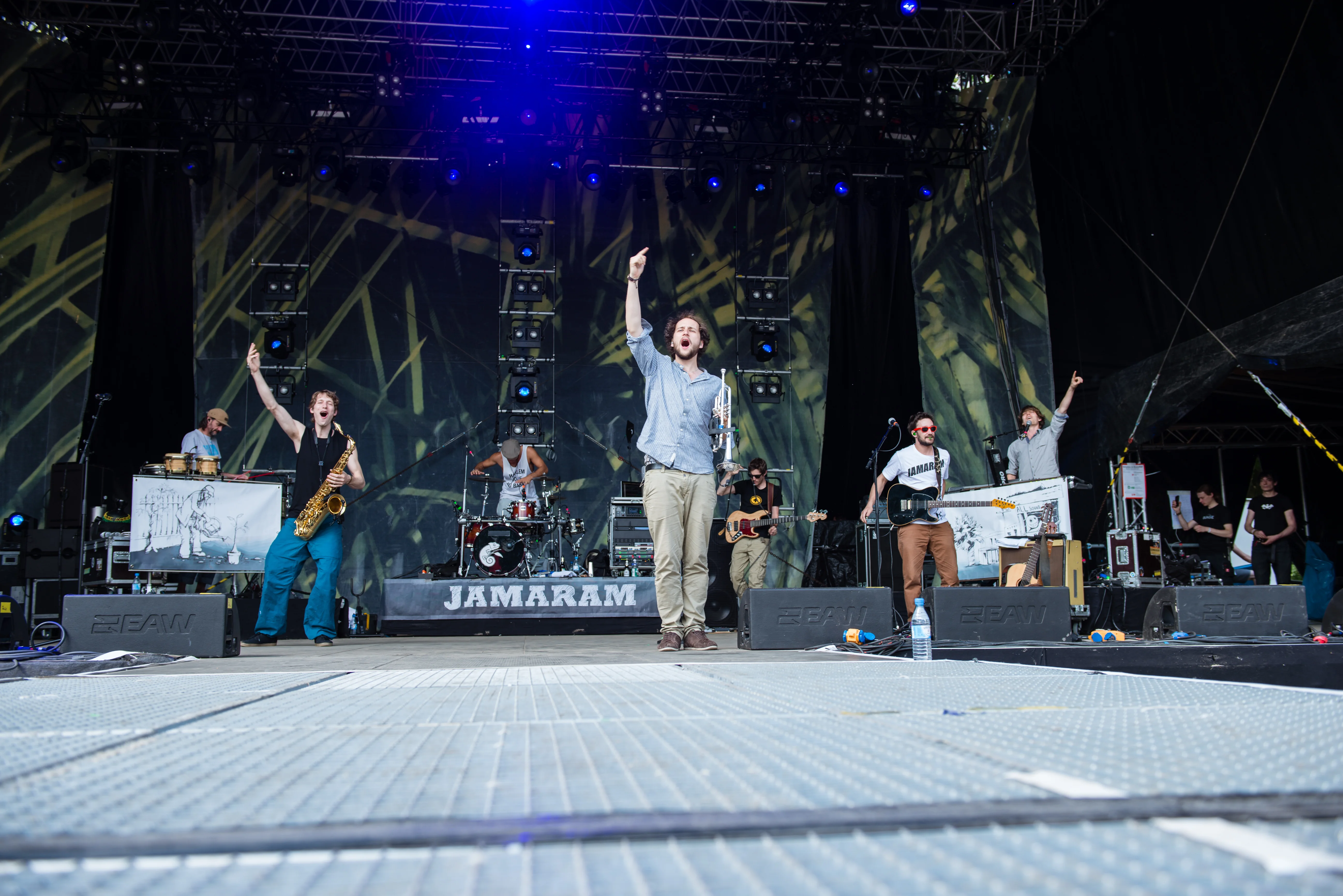
Jamaram Open-Air Concert
On July 25, 2026, Jamaram will perform an exhilarating concert outdoors at the Allgäuhallen grounds in Kempten. Experience an unforgettable evening!
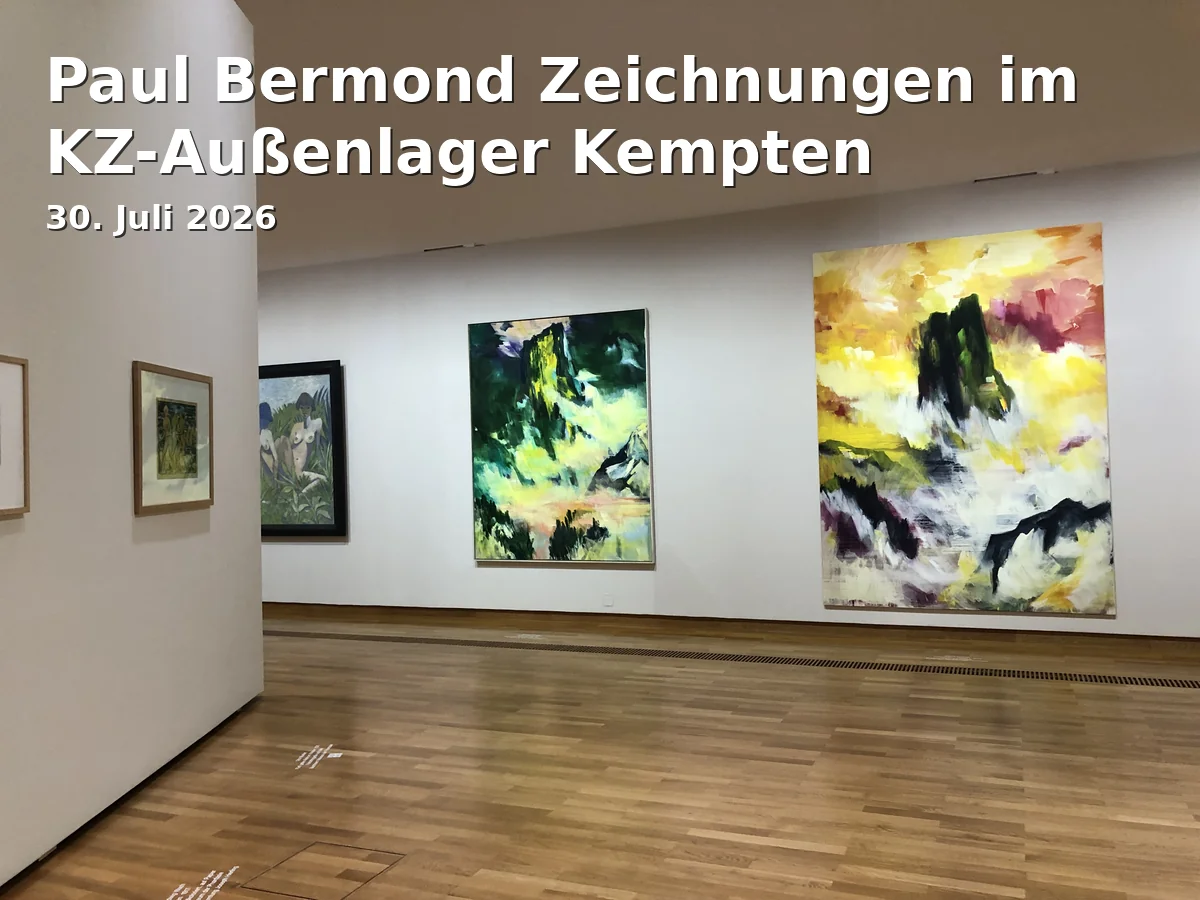
Paul Bermond Drawings at the KZ Außenlager Kempten
Discover the moving drawings of Paul Bermond from the KZ Außenlager Kempten and their historical significance.
Frequently Asked Questions
Reviews
Tatjana “TatjanaM” M
25. December 2025
Large city parking. Cheap. Year 2025: 30 Min. - 0.50 € 24 Hours - 4.00 € Month - 35.00 € From 7 PM to 9 AM and on Sundays - free. You can pay with cash, card, or phone. There are spots for electric cars and car-sharing parking. Nearby are shopping centers and a shopping street.
BozzAsoka
31. January 2026
Great event location used by KQA, I've been there several times and I've always enjoyed it (OpenMic Comedy / Jazz Spring).
Uwe Bürkle
9. October 2025
It was quite crowded on October 4th. Unfortunately, there were few opportunities for those with foot issues to sit down for a bit. There was food only for the bands.
Marianne Walter
4. November 2025
Great parking, you can park all day for 4,- € or get a monthly ticket for 35,- €.
Thomas Immler
9. May 2025
The Allgäuhalle in Kempten is a versatile event hall with great potential for various events – from concerts to trade fairs to sports events. I've been there several times, most recently for a regional trade fair and before that for a charity concert – both times I was impressed by the organization and the atmosphere. The location is very accessible, both by car and public transport. There are plenty of parking spaces available nearby. The hall itself is clean, well-ventilated, and accessible for people with disabilities. The sanitary facilities are also well-maintained and sufficiently available. What I particularly liked is the flexible room layout. Depending on the occasion, the hall can be arranged differently or equipped with exhibition stands. The staff on site is friendly, helpful, and professional. Another plus: The acoustics in the hall are surprisingly good, especially for musical events. The lighting technology and equipment also seemed modern and well-maintained. A small downside: The gastronomic selection could be a bit more diverse. For larger events, an expanded culinary offering would be desirable. Overall, an excellent event venue in the heart of the Allgäu that I would gladly recommend. 5 stars!