
Edgar Allan Poe
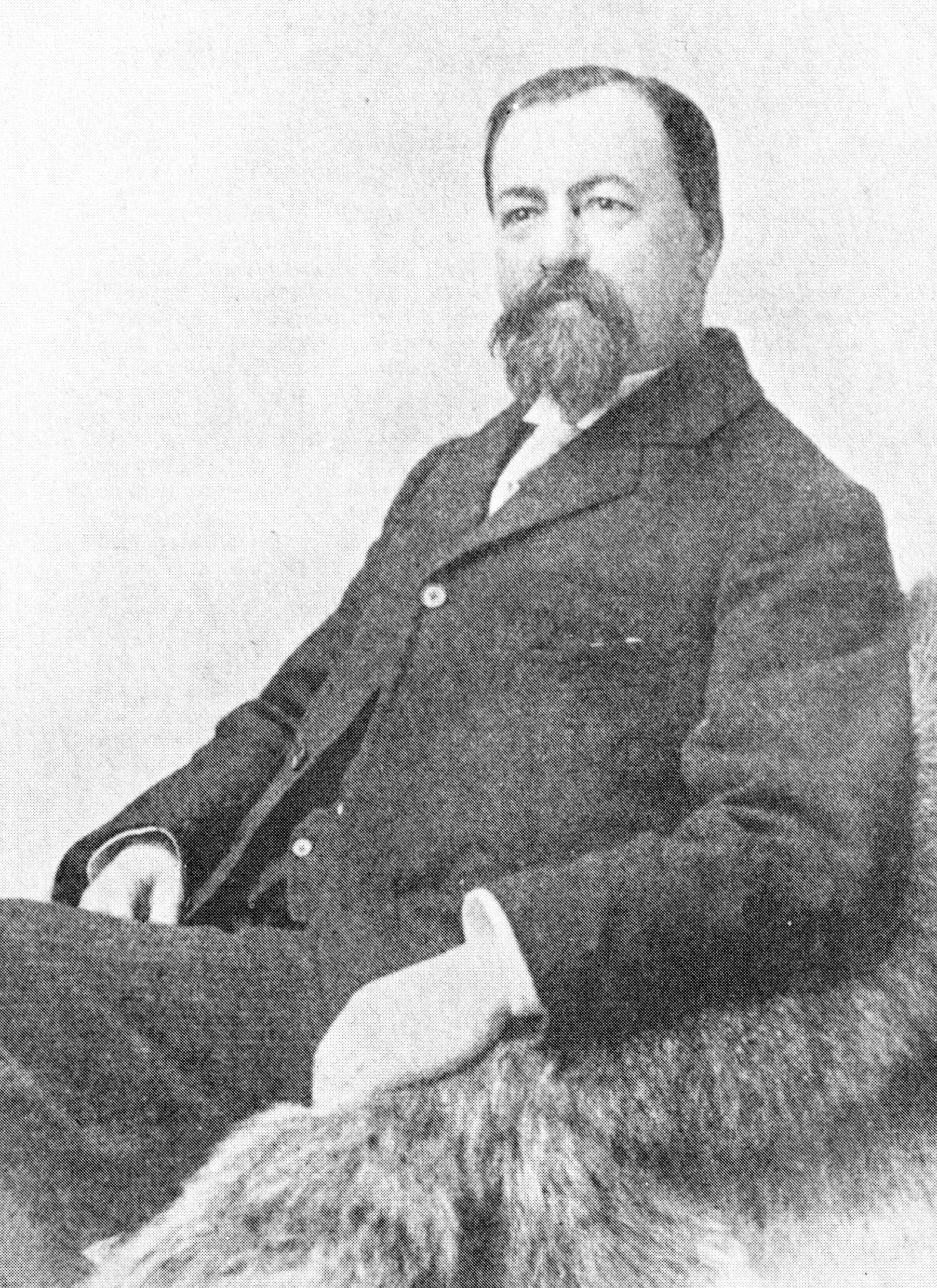
Image from Wikipedia
Image from Wikipedia
Edgar Allan Poe – The Architect of Modern Horror and Master of Literary Form
An author who created a new aesthetic from darkness
Edgar Allan Poe is considered one of the most influential American authors of the 19th century. Born on January 19, 1809, in Boston and died on October 7, 1849, in Baltimore, he permanently shaped literature with his short stories, poems, and critical essays. His works laid central impulses for the short story, crime fiction, horror literature, and Gothic literature, and also influenced modern poetry in Europe and the United States. ([britannica.com](https://www.britannica.com/biography/Edgar-Allan-Poe?utm_source=openai))
Poe is not only to be read as an author but also as a historic figure of style. His texts combine formal precision with psychological intensity, melancholic imagery, and a sharply calculated effect on the readership. This controlled dramaturgy made him a role model for generations of writers, critics, and readers. ([poetryfoundation.org](https://www.poetryfoundation.org/poets/edgar-allan-poe?utm_source=openai))
Biographical beginnings: between loss, protection, and early experiences of the world
Poe was born to two actors, lost his parents early, and was taken in by the Allan family in Richmond, without being officially adopted. This biographical tension between belonging and alienation permeates both his life and his work. The Poe Museum in Richmond emphasizes that even his early years were characterized by separation, insecurity, and a complex relationship with his adoptive father. ([poemuseum.org](https://poemuseum.org/?utm_source=openai))
His education took him to the University of Virginia and later to the West Point Military Academy, but neither institution led to a linear academic career. Instead, Poe developed early on into a writer, journalist, and editor. This mix of education, institutional friction, and literary ambition became the foundation of his artistic identity. ([poetryfoundation.org](https://www.poetryfoundation.org/articles/69390/the-philosophy-of-composition?utm_source=openai))
Career: Journalist, critic, poet, and storyteller with a sharp profile
As a publicist and editor, Poe worked in several cities, including New York, Baltimore, and Richmond. The Poetry Foundation describes him as an editor, journalist, poet, literary critic, and short story writer — roles that do not stand alongside each other in his oeuvre but rather enhance one another. As a critic, he developed a clear idea of literary effect, composition, and unity of form. ([poetryfoundation.org](https://www.poetryfoundation.org/articles/69390/the-philosophy-of-composition?utm_source=openai))
His literary thinking aimed at the precisely calculated impression. In essays like The Philosophy of Composition and The Poetic Principle, he formulated a poetics in which brevity, closure, and emotional concentration are crucial. This theory explains why his best texts still resonate so immediately today: they are not dark by chance, but carefully constructed. ([poetryfoundation.org](https://www.poetryfoundation.org/articles/69390/the-philosophy-of-composition?utm_source=openai))
The breakthrough: Short stories that combine horror, logic, and psyche
Poe's greatest impact unfolds in the tales that not only depict horror but psychologically organize it. Works like The Tell-Tale Heart, The Fall of the House of Usher, and The Cask of Amontillado are highlighted by the Poetry Foundation and Britannica as key texts of his literary significance. They combine a ghostly atmosphere with inner turmoil, creating a form of horror that continues to resonate in contemporary literature and pop culture. ([poetryfoundation.org](https://www.poetryfoundation.org/articles/69390/the-philosophy-of-composition?utm_source=openai))
Poe's contribution to crime fiction was particularly formative. The so-called "tales of ratiocination" established a narrative model in which intelligence, observation, and inference are at the center. With this, Poe provided a crucial early model for detective fiction and the analytical crime novel. ([poetryfoundation.org](https://www.poetryfoundation.org/articles/151182/more-than-a-feeling?utm_source=openai))
Lyricism and linguistic art: The foundation of symbolism
Although Poe is often primarily perceived as a storyteller, his career began as a lyricist. The Poetry Foundation emphasizes that poetry was his first literary passion and that early poems like Tamerlane and Al Aaraaf already show a development from the Byronic hero to inner, dream-like experiential spaces. His verses combine musical language, recurring motifs, and highly controlled imagery. ([poetryfoundation.org](https://www.poetryfoundation.org/poets/edgar-allan-poe?utm_source=openai))
Poe also left an impact in Europe. His reception through Charles Baudelaire made him a leading figure in symbolism and, thus, in modern poetry. His notions of beauty, loss, and melancholic condensation became one of the most productive aesthetic traces of the 19th century. ([britannica.com](https://www.britannica.com/biography/Edgar-Allan-Poe?utm_source=openai))
Poetic theory and literary technique: Composition as an art of control
Poe's essays reveal an author who does not leave literature to chance. In his theoretical texts, he describes the creation of an effect as a conscious process, in which form, length, tension, and resolution are closely coordinated. This perspective makes him an early theorist of modern narrative technique and a forerunner of a literary aesthetic of precision. ([poetryfoundation.org](https://www.poetryfoundation.org/articles/69390/the-philosophy-of-composition?utm_source=openai))
His prose thrives on condensation, repetition, acoustic structure, and the interplay between rationality and delirium. This is where the lasting fascination lies: Poe does not create mere spooky imagery but shapes a closed system of tone, rhythm, and psychological focus. This technical mastery explains why his texts are repeatedly read, adapted, and commented on. ([poetryfoundation.org](https://www.poetryfoundation.org/articles/151182/more-than-a-feeling?utm_source=openai))
Critical reception, influence, and cultural resonance
Poe's critical reception was contradictory during his lifetime and long after. The Poetry Foundation describes a history of highly fluctuating judgments: from biographically moralizing interpretations to more recent readings that understand Poe as a reflective artist with ironic distance. This very complexity makes him an exciting subject for literary studies even today. ([poetryfoundation.org](https://www.poetryfoundation.org/poets/edgar-allan-poe?utm_source=openai))
His influence extends into science fiction, modern short stories, and pop culture. Britannica points out that individual stories influenced later authors like Jules Verne, while newer publications and reissues show that Poe remains present in the 21st century. In 2024 and 2025, new editions and cultural journalistic contributions highlight his enduring relevance. ([britannica.com](https://www.britannica.com/biography/Edgar-Allan-Poe?utm_source=openai))
Current projects and publications in 2024/2025
As Edgar Allan Poe is no longer alive historically, there are no new artistic publications. Nonetheless, his work remains present in current publishing programs, museum activities, and contributions to literary journals: In 2024, an anniversary edition of Tales of Mystery and Imagination was released, and in 2025, a new annotated edition of the stories was discussed in the Spanish-speaking world. Institutions like the Morgan Library and the Poe Museum continue to keep his legacy and influence visible. ([theartsshelf.com](https://theartsshelf.com/2024/10/16/the-folio-society-to-release-anniversary-edition-of-edgar-allan-poes-tales-of-mystery-and-imagination/?utm_source=openai))
Voices of the fans
No official social media channels for Edgar Allan Poe could be verified. Therefore, this section is deliberately omitted, and no fan quotes or community voices are fabricated. ([darkheartofpoe.com](https://www.darkheartofpoe.com/?utm_source=openai))
Conclusion: An author who transformed darkness into form
Edgar Allan Poe remains so fascinating because he did not just describe the abyss, but made it aesthetically manageable. His short stories, poems, and essays connect atmosphere, technique, and psychological depth in a way that has palpably changed literary history. Reading Poe is not just encountering a classic, but an author who created an unmistakable art form from fear, loss, and linguistic precision. ([poetryfoundation.org](https://www.poetryfoundation.org/poets/edgar-allan-poe?utm_source=openai))
In his enduring presence, the greatness of this work is revealed: Poe is never just a part of the past but always a part of the present reading experience. His texts invite readers to continually enter the dark spaces of literature and experience the power of his compositions live in their own imagination. ([theartsshelf.com](https://theartsshelf.com/2024/10/16/the-folio-society-to-release-anniversary-edition-of-edgar-allan-poes-tales-of-mystery-and-imagination/?utm_source=openai))
Official channels of Edgar Allan Poe:
- Instagram: No official profile found
- Facebook: No official profile found
- YouTube: No official profile found
- Spotify: No official profile found
- TikTok: No official profile found
Sources:
- Britannica – Edgar Allan Poe
- Poetry Foundation – Edgar Allan Poe
- Poetry Foundation – The Philosophy of Composition
- Poetry Foundation – More Than a Feeling
- The Poe Museum – Official Website
- The Poe Museum – About the Poe Museum
- The Morgan Library & Museum – Edgar Allan Poe: The Tell-Tale Heart and Other Stories
- The Arts Shelf – Anniversary Edition of Tales of Mystery and Imagination
- Cadena SER – Edgar Allan Poe: reading horror when evil is mainstream
- El Espectador – Poe's stories reach the 21st-century reader in a new Spanish translation
- Wikipedia – Edgar Allan Poe
Upcoming Events
E. A. Poe – An Evening Full of Stories